

Introduction — Off the Beaten Path in Interlaken: A Guide for Curious Travelers
Interlaken often conjures up iconic images: two emerald lakes framed by mountains, cogwheel trains climbing to famous peaks, and crowds snapping photos from the same lookout points. Yet beyond the postcards and well-trodden trails, the area hides quieter routes, villages and experiences that will delight curious travelers and anyone seeking authentic alpine moments. This guide takes you off the beaten path in Interlaken: practical addresses, schedules, euro prices, immersive descriptions and local tips to turn your visit into a memorable exploration.
What follows is a varied selection: small lakeside villages that rarely get crowded, secondary viewpoints with surprising perspectives, caves and waterfalls that are easy to reach yet often overlooked, and physical activities suitable even for beginner hikers. Each place is described practically (exact address, typical opening hours, prices in euros) and contextually (vibe, best times to visit, options to extend your discovery).
This guide is for photographers and families looking for peaceful routes, hikers searching for less-traveled trails, and foodies who want to taste local cuisine in genuine settings. You’ll also find tips to optimize your travel (buses, boats, local trains), tricks to avoid peak times and suggestions to save money without sacrificing the quality of the experience.
Follow these recommendations and you’ll discover a quieter but equally striking Interlaken: wooden houses mirrored in turquoise water, viewpoints where silence rules, mysterious caves echoing the drip of water, and trails winding through flower-filled alpine meadows. Pack your boots, your camera and your curiosity—this region offers moments of wonder away from the crowds.
1. Get lost in lakeside villages: Iseltwald and Giessbach (views, strolls and guesthouse dining)
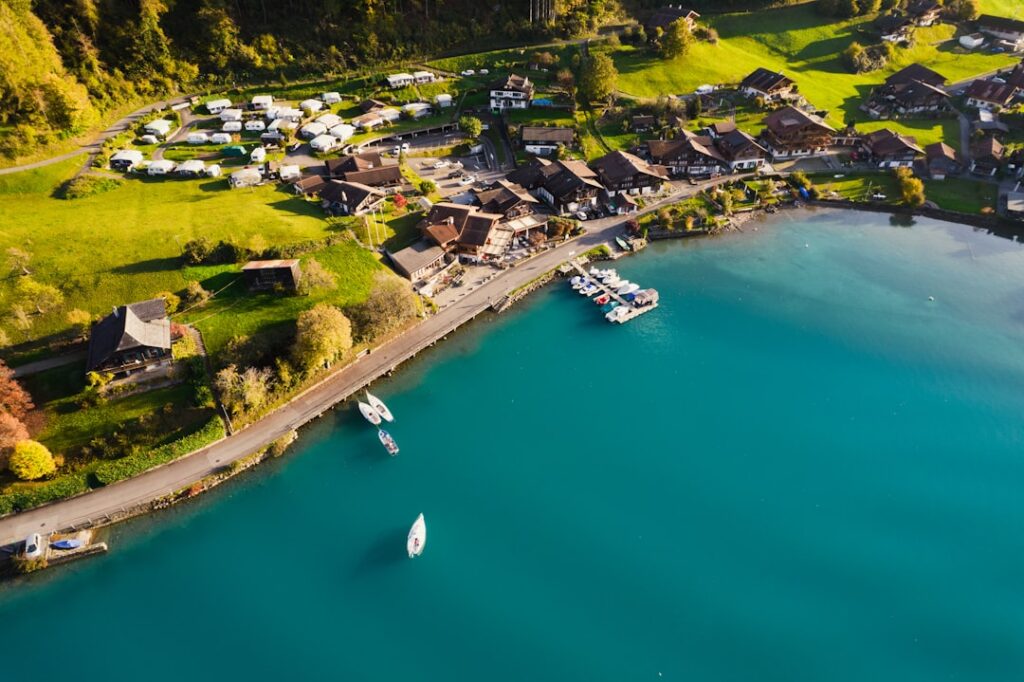
Iseltwald and Giessbach are two jewels on the shores of Lake Brienz often overshadowed by the main attractions. They preserve an intact lakeside village atmosphere—perfect for slow walks, water-level photos and relaxed food stops away from the tourist throngs.
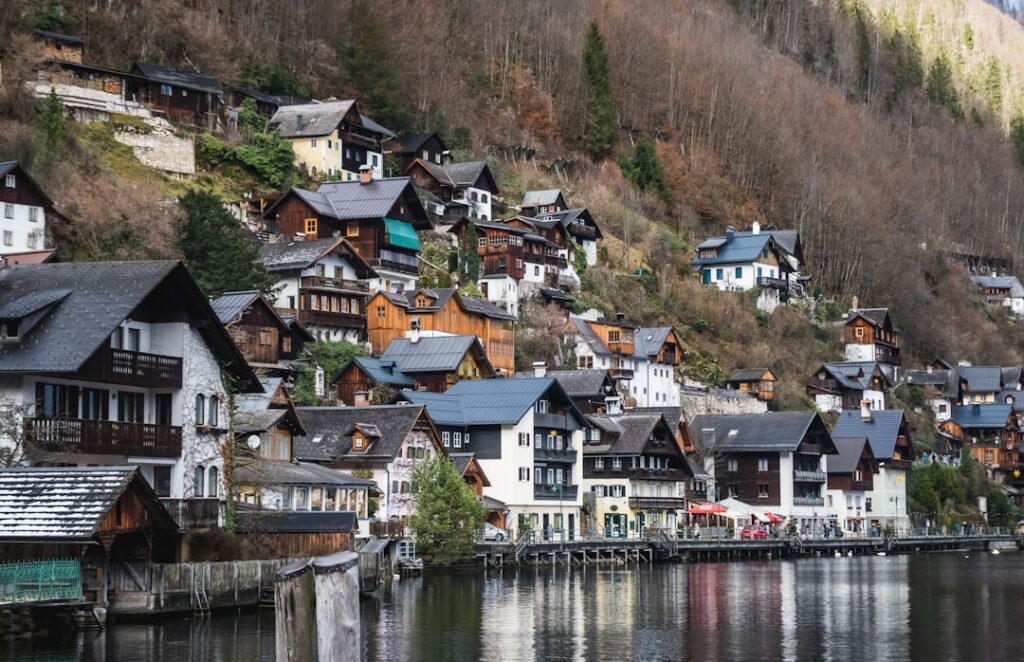
Iseltwald — a fishing village, wooden houses and photogenic piers
Iseltwald is a small, peaceful village on the south shore of Lake Brienz. General address: Iseltwald, 3776 Iseltwald, Switzerland. You can explore the village on foot in an hour or two if you linger: cobbled lanes, wooden jetties and small rocky beaches. For photographers, early morning (07:30–10:00) and evening (18:00–20:30) provide the best light and perfect calm.
Getting there: regional bus from Interlaken Ost (line 21, ~20 min). Fare: around €3–5 per person (varies by ticket type). No entrance fee to the village.
Local tip: head to the main jetty near the restaurant «Restaurant Isleten» to capture house reflections in the lake’s turquoise water. Benches and small coves invite reading breaks or picnics.
Giessbach Falls and Grandhotel Giessbach — terraced waterfalls and afternoon tea
West of Iseltwald you’ll find the Giessbach Falls and the Grandhotel Giessbach. Address: Giessbachstrasse 1, 3806 Brienz, Switzerland. Access is by boat from Interlaken Ost (BLS Schiff) or by road followed by a short trail.
Hours and prices: the historic funicular linking the boat landing to the Grandhotel runs seasonally, typically 09:30–17:30 (high season). Trails are free to access. Allow roughly €30–45 for a round-trip boat from Interlaken Ost depending on season and ticket type. Tea/coffee at the Grandhotel Giessbach usually costs about €8–15 per person for a drink and pastry.
Description: the falls cascade in multiple tiers through a humid forest, creating scenic viewpoints and natural terraces. The 19th-century Grandhotel overlooks the site and makes for an elegant stop for tea on a terrace with waterfall views. Trails that circle the falls offer multiple photographic angles and wooden walkways that are very Instagram-friendly.
Tips: arrive by boat for the most dramatic approach—the view from the water is spectacular. In summer, walk early to avoid tour groups. Trails can be slippery after rain: lightweight hiking shoes recommended.
[[IMAGE:Giessbach Falls waterfall and historic hotel terrace]]
2. Secret hikes and viewpoints: Harder Kulm, Niederhorn and Schynige Platte
The ridges around Interlaken offer impressive panoramas without always having to climb the busiest peaks. Harder Kulm, Niederhorn and Schynige Platte are must-sees but can be explored in less conventional ways by taking side paths or visiting at off-peak times.
Harder Kulm — easy, accessible and often underrated at sunset
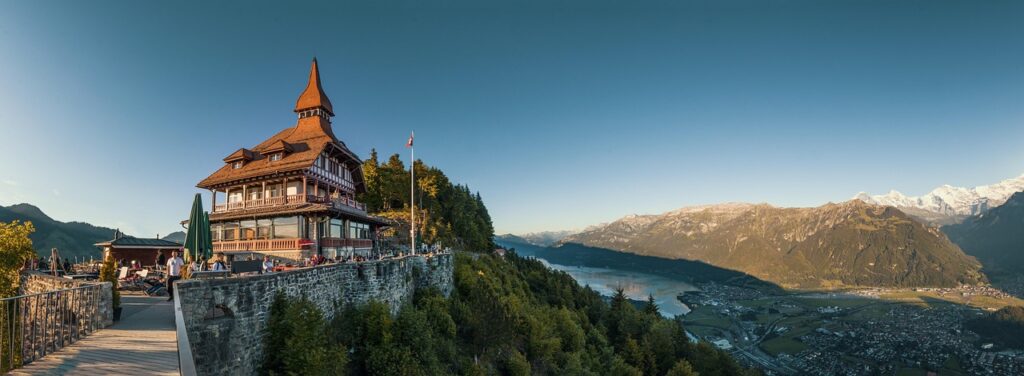
Funicular: Harderbahn Talstation, Höheweg 59, 3800 Interlaken, Switzerland. Approximate hours: 08:00–22:00 (season-dependent). Round-trip fare: roughly €34–36 per adult. From the summit, the panoramic bridge and viewing platform give a triangular outlook over Interlaken and lakes Thun and Brienz.
To avoid the typical crowds: go early to follow the alpine meadow trail toward Unterseen, or stay at the summit after 19:30 for sunset when golden light brings out intense contrasts. Hikers can also descend toward the village of Zwischenflüh along lesser-used trails, crossing pastures and woodland.
Niederhorn — alpine meadows, marmots and wide-open views
Niederhorn provides a quieter experience outside the high season: main boarding point address Niederhornbahn, Hafenstrasse 1, 3803 Beatenbucht/Beatenberg, Switzerland (access from Beatenberg). Typical hours: 09:00–17:00 (high season—check winter schedules). Round-trip cable car fare: about €30–€40.
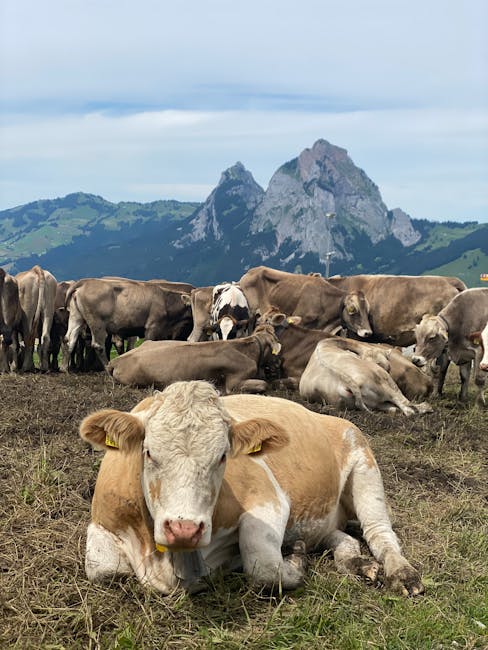
Description: the summit hosts open pastures where cows often graze and marmots whistle in summer. Views over the Unterseen valley, Lake Thun and the Jungfrau massif are exceptional. Loop hikes around the top are less crowded than classic Jungfrau routes and give a real feeling of alpine solitude—perfect for quiet reflection.
Tips: bring binoculars to watch wildlife and choose calm mornings to hear the marmots’ calls. For photographers, early light captures mist hovering over Lake Thun.
Schynige Platte — alpine flowers and panoramic trails
Access: Schynige Platte Bahn from Wilderswil. Station address: Schynige Platte Bahn, Bahnhofstrasse 2, 3812 Wilderswil, Switzerland. High-season cogwheel train hours: generally 08:40–17:00, frequent trains but seating is limited. Round-trip fare: approximately €55–€60.
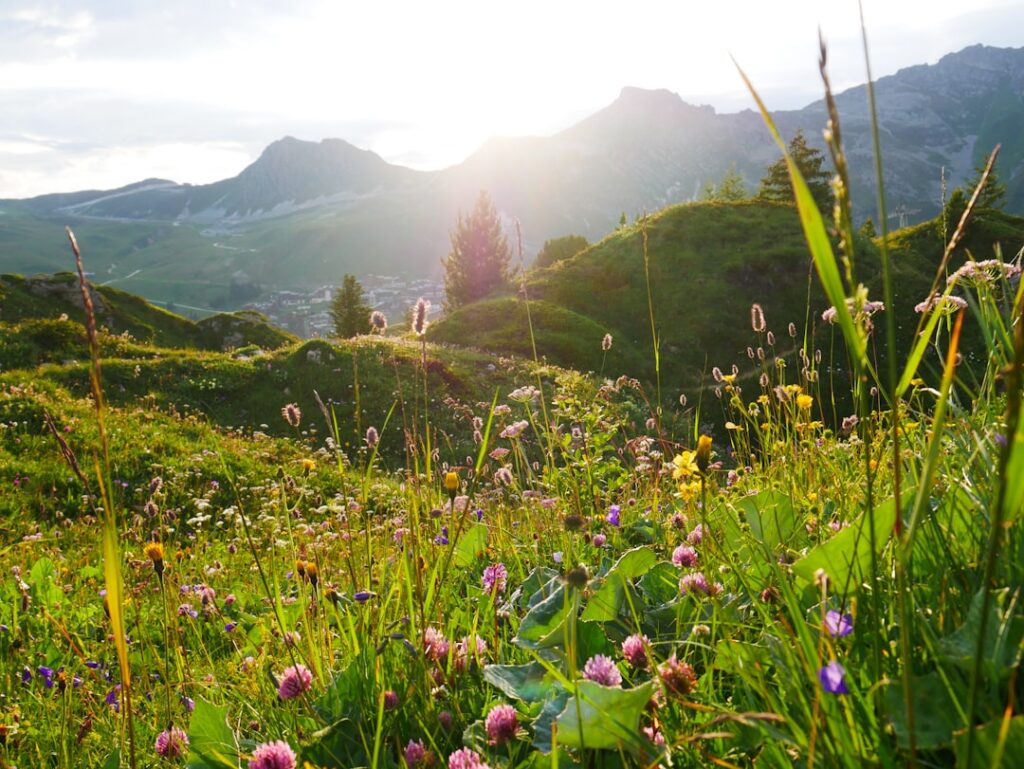
Why go? Schynige Platte is famed for its flower-filled meadows, trails that stretch across quiet landscapes and clear views of the Eiger-Mönch-Jungfrau range. In shoulder seasons the place is calmer and the meadows invite peaceful wandering.
Route tips: combine a train ascent with a walk down to Wilderswil via side trails to avoid the crowded return trains. Bring water and a map: some side paths are less well signposted than main routes.
3. Caves, waterfalls and rivers: Sankt Beatus Caves, Giessbach, and the Aare
Water features create micro-worlds perfect for discreet exploration: seldom-visited caves, trails beside waterfalls and calm stretches of the Aare River. These spots deliver sensory experiences—water sounds, mossy scents, and light at play—ideal for anyone who loves mysterious atmospheres.
Sankt Beatus-Höhlen — legendary caves above Lake Thun
Address: Sankt Beatus-Höhlen, Beatushöhlenstrasse 224, 3800 Beatenberg/Interlaken, Switzerland (sometimes signposted simply as « Sankt Beatus Caves »). Hours: generally open April–October, typical times 09:00–18:00 (seasonal). Adult admission: about €16–18. The self-guided cave visit lasts roughly 45–60 minutes.
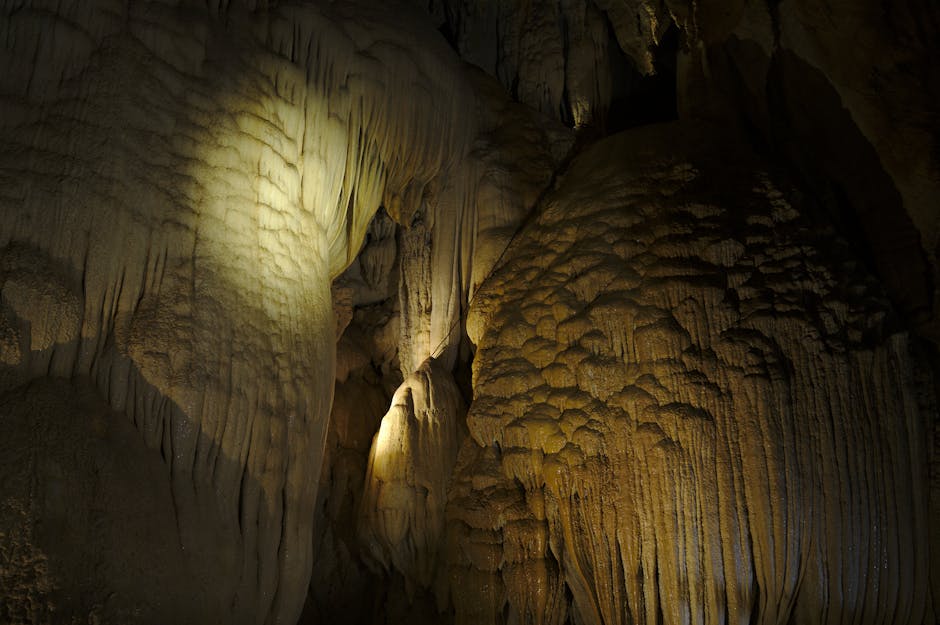
Immersive description: you descend into galleries where stalactites and stalagmites converse with carefully placed lights. Some chambers have remarkable natural acoustics; the drip of water punctuates the visit. Local legends tie the caves to Saint Beatus, a 6th-century hermit, adding a storytelling layer to the exploration.
Practical tips: bring a light jacket—the interior stays cool (≈8–10 °C). Stairs can be damp; wear slip-resistant shoes. To avoid school groups and coach parties, aim for early morning or late afternoon.
The Aare River — urban walks and swimming (outside peak season)
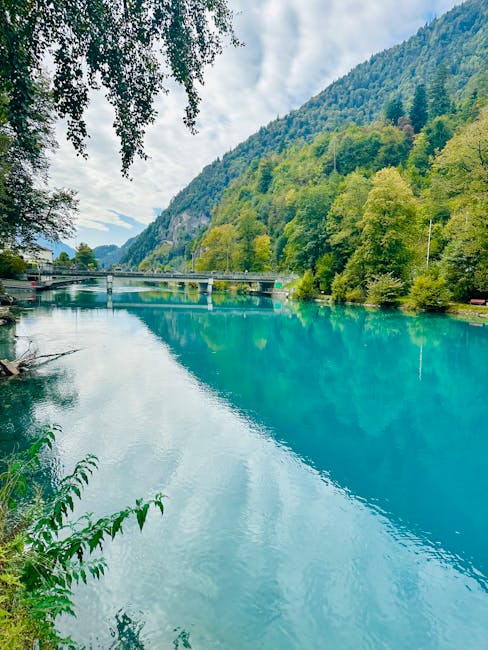
The Aare flows through Interlaken with enchanting energy. The developed banks between Interlaken Ost and Unterseen provide calm walks. Practical starting point: Höheweg Promenade, 3800 Interlaken, Switzerland. Activities: walking, swimming (in designated safe spots), picnicking.
Safety and pricing: swimming in the Aare is free but can be dangerous during high water. Check weather and local advisories; seasonal lifeguards and signs mark prohibited areas. Kayak rentals for a stretch of the Aare from local operators cost about €30–50 for a short session (half day).
Local tip: explore the banks late afternoon to watch light play on the water and, if you head away from the most touristy spots, you might glimpse beavers at dusk.
4. Active offbeat experiences: kayaking, via ferrata, paragliding and private boat trips
For adrenaline seekers and active travelers, Interlaken offers alternatives to the usual tandem paraglide over Jungfraujoch: calm river sections for kayaking, moderate via ferrata routes nearby, or private cruises on Lake Brienz.
Kayaking on Lake Brienz and sections of the Aare
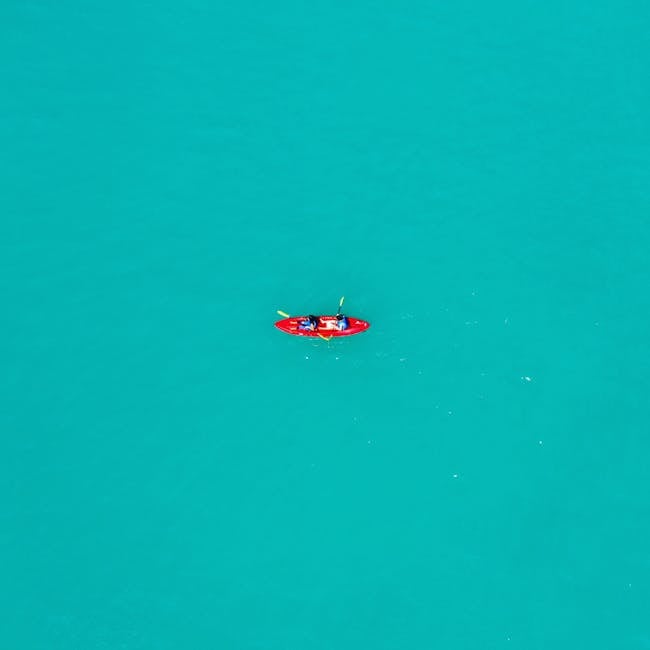
Recommended start point: BLS Schiff / Interlaken Ost Dock, Bahnhofplatz 3, 3800 Interlaken Ost, Switzerland to arrange a shuttle or rent a kayak from the lake. Local operators such as Outdoor Interlaken (indicative address: Höheweg 139, 3800 Interlaken) offer rentals and guided tours.
Indicative prices: single kayak rental about €25–40 per hour, half-day €50–80. Guided excursions on the Aare or the lake range €60–120 depending on duration. Hours: usually 09:00–17:00, with calm early-morning and soft-light late-afternoon sessions.
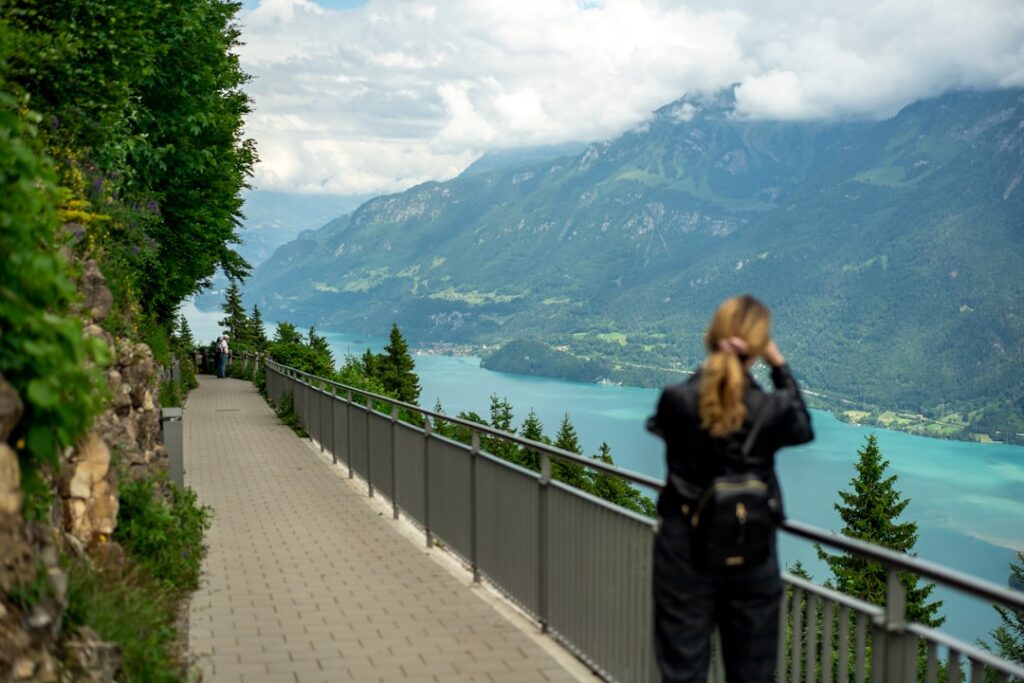
Tips: bring a lightweight waterproof, sunscreen and a dry bag for your camera. The tranquil waters of Lake Brienz are turquoise and perfect for photos—mornings give you mirror-like conditions.
Via ferrata and equipped trails
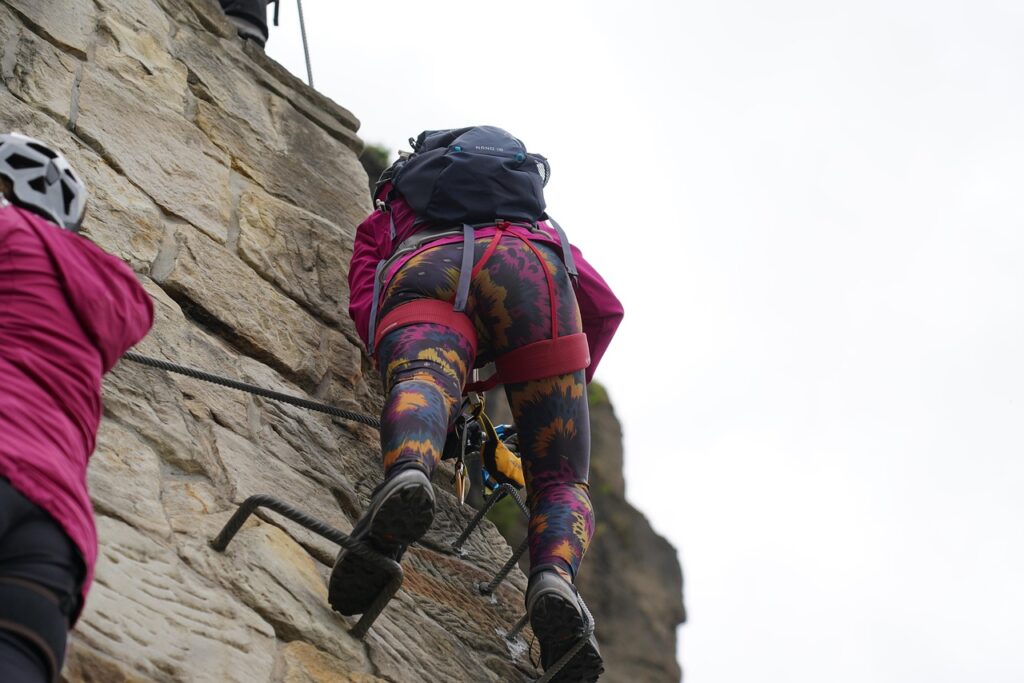
The region has several via ferrata routes of varying difficulty (check local providers for gear rental and guides). Guide + equipment: roughly €80–150 per person depending on duration. Hours and availability: booking recommended—activities are usually scheduled between 08:30 and 16:00 in high season.
Safety tip: choose a via ferrata that matches your experience and always follow the guide’s instructions. Via ferrata routes open up views of gorges and cliffs rarely reachable by regular hikers.
Alternative paragliding and private boat tours
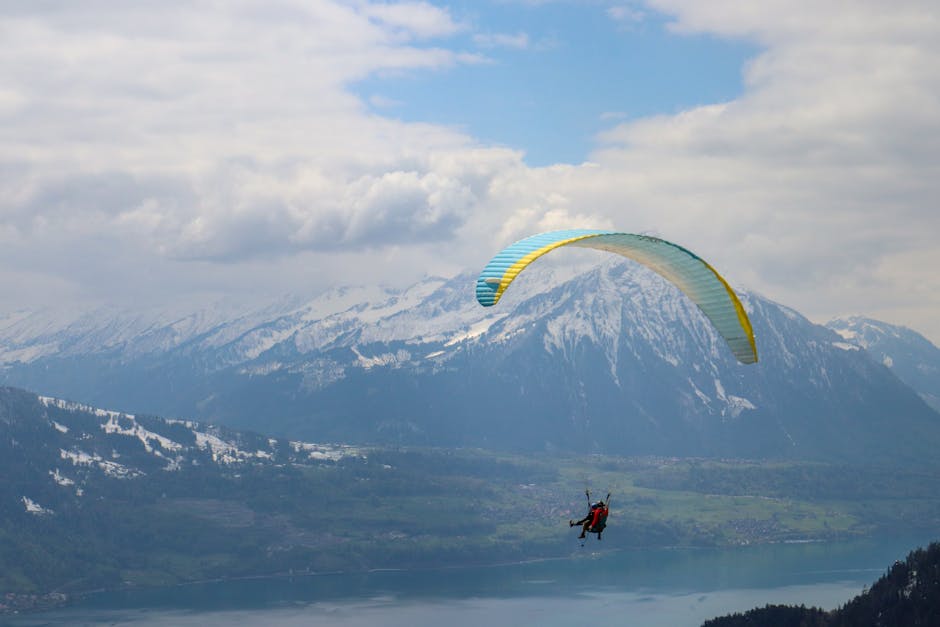
Paragliding is a highlight, but to avoid crowded launch sites book a flight from secondary locations (Niederhorn or Isenfluh / Lauterbrunnen). Tandem flight prices run around €120–€160 depending on the provider. Flights typically take place in the morning and late afternoon, roughly between ~09:00–11:00 and 15:00–18:00, weather permitting.
Private cruise on Lake Brienz: charter a small electric boat or hire a skipper for a tailored trip around Iseltwald and Giessbach. Indicative price: €150–€300 for 1–3 hours depending on season and boat size.
5. Practical tips, transport, budgets and schedules (planning and local tips)
To make the most of an off-the-beaten-path Interlaken, logistics matter: transport, timing, weather, budget and respect for local life. Here are concrete tips to organize your days.
- Local transport: The regional network (BLS buses, local trains, BLS boats) easily connects Interlaken Ost and Interlaken West with surrounding villages. Example: Interlaken Ost → Iseltwald by bus (~20 minutes) costs about €3–5. Tickets are available at stations or via the Swiss rail app (SBB Mobile).
- Maps and passes: If you plan to use trains and boats a lot, check regional passes (Jungfrau Travel Pass, Swiss Travel Pass)—they can be pricey but worth it if you take multiple cogwheel trains and boats. Do the math based on your exact itinerary.
- Daily budget: Expect Swiss prices above the European average for food: a simple lunch in a village €15–25, a mountain-restaurant dinner €25–45. Coffee and pastries often cost €6–12.
- Seasonal hours: Many activities run extended hours in summer (May–October) and have reduced services in low season. Always check official sites for precise times and temporary closures.
- Safety: Mountain weather changes fast. Bring a waterproof jacket, suitable footwear and a power bank. For water and adventure activities, choose certified operators and wear required safety gear.
- Respect local life: Villages are inhabited and quiet: respect local schedules (especially quiet hours), avoid parking on private property and ask before photographing private residences.
- Best times to visit: Spring for alpine blooms (Schynige Platte), early summer for full waterfalls (Giessbach), autumn for colors and crisp vistas after the first cold rains.
Conclusion — Taking Interlaken with you: souvenirs, routes and attitudes
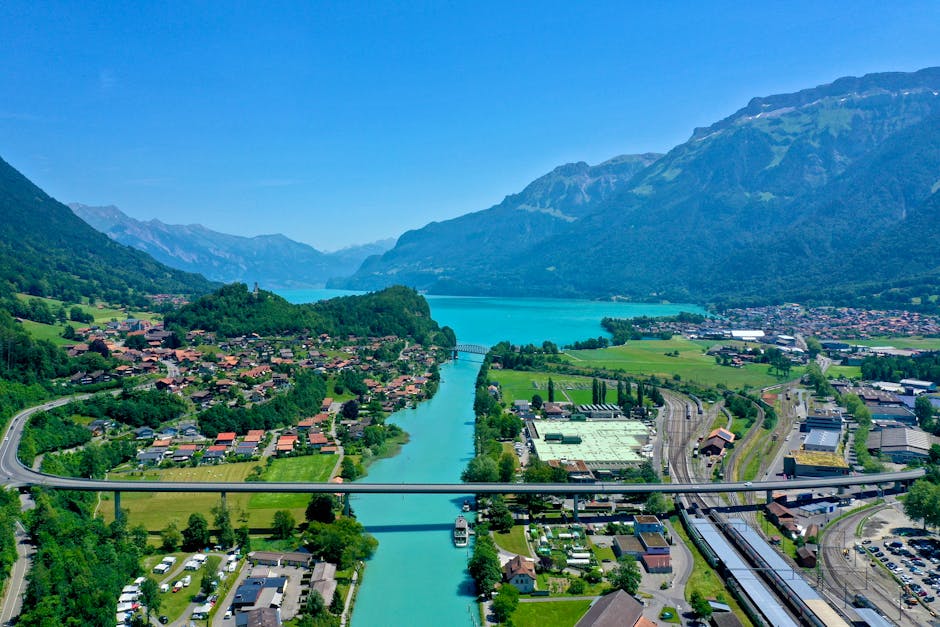
Interlaken is much more than the stops on tourist brochures: it’s a network of villages, viewpoints and experiences that reveal themselves when you slow down, change direction and sometimes stray from a guide. The routes suggested here—Iseltwald and Giessbach for lakeside charm, Harder Kulm, Niederhorn and Schynige Platte for lesser-known panoramas, Sankt Beatus Caves and the Aare for water-based moments, plus more private active options—offer a palette of sensations that will make your stay genuinely singular.
Beyond the places, this guide aims to give you a method: favor off-peak hours, use local transport, pick alternative observation points and talk to local players (hoteliers, guides, fishermen, boat captains) who know hidden corners. By checking schedules and booking some activities in advance (paragliding, via ferrata, private cruises), you avoid disappointment and maximize the quality of your experiences.
Finally, travel with the mindset of a respectful observer: photograph without disturbing, stay on marked trails and leave places as you found them. Small gestures—packing out your trash, choosing local food and lodging, asking permission before photographing residents—help preserve these spaces and keep the authenticity that makes Interlaken so captivating off the beaten path. Safe travels, and may your discoveries be slow, rich and deeply personal.