


Introduction — Why you should sort your paperwork before arriving in Interlaken
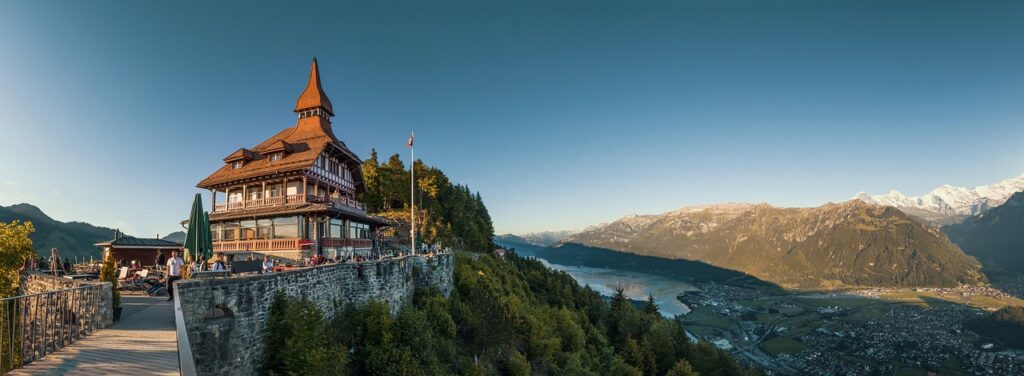
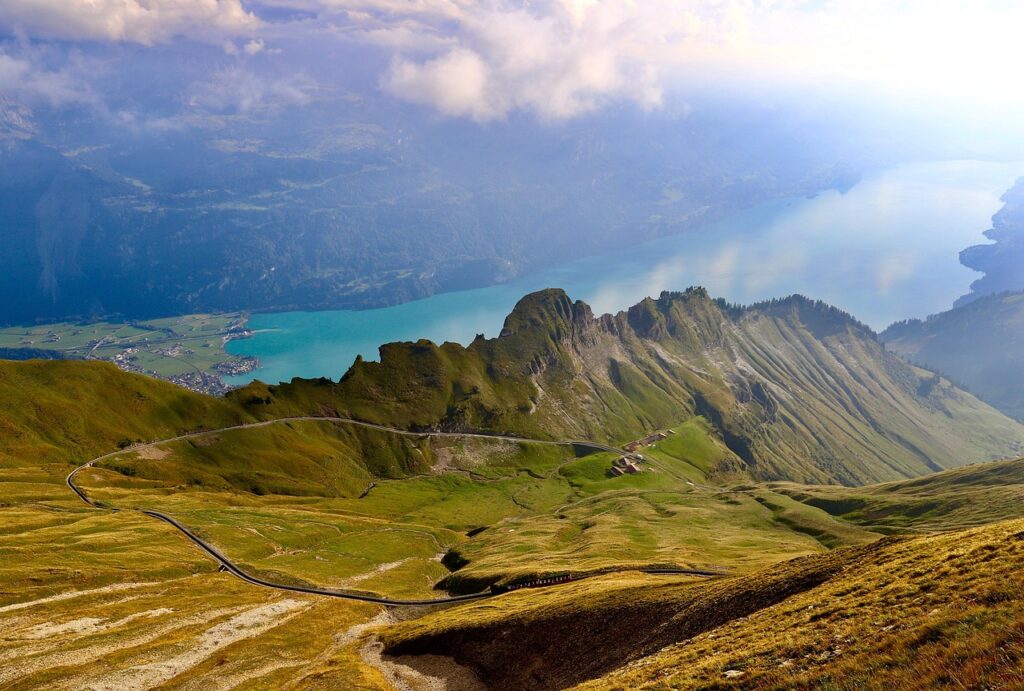
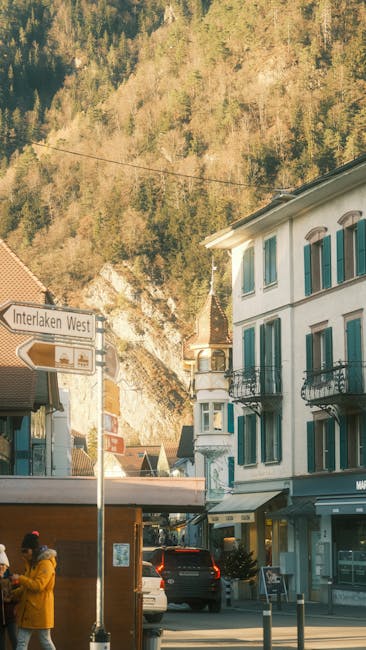
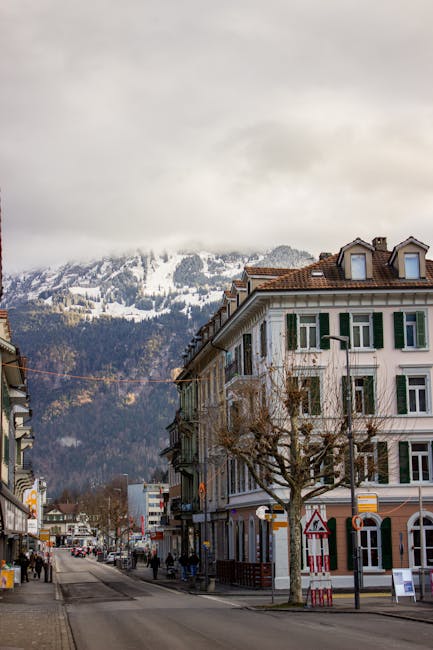
Interlaken, that alpine gem nestled between Lake Thun (Thunersee) and Lake Brienz (Brienzersee) in the canton of Bern, draws visitors from around the globe for its jaw-dropping scenery, outdoor adventures and easy access to the Jungfrau peaks. But before you take in the views from Harder Kulm, ski around Grindelwald or boat across Lake Brienz, one often-overlooked step can make or break your trip: getting your documents in order. A single oversight — an unrecognized driver’s licence, a missing insurance certificate, or a hotel confirmation you forgot to print — can cost you time, money and headaches, especially in a busy tourist region where peak season brings heavy demand and stricter checks.
This practical guide lists, explains and pinpoints the essential documents to prepare before arriving in Interlaken, with useful addresses, prices in euros, opening hours and on-the-ground tips. Whether you’re an EU traveller, a visitor from outside the EU, renting a car, hiking high alpine trails or organising a group trip, you’ll find concrete items to prepare: valid ID, visas if required, European Health Insurance Card (EHIC) or GHIC, an International Driving Permit (IDP), the green card for car insurance, accommodation confirmations, transport tickets (printed or digital), and emergency copies.
We also detail the local offices in Interlaken where you can present or collect documents — tourist information, car rental desks, municipal offices and railway counters — with exact addresses, opening hours and estimated fees in euros. Local tips will help you anticipate hiccups: how to prove your holiday at the border, how to store scanned documents securely, which paper versions to keep and why some agencies insist on originals rather than copies. Finally, practical recommendations will show you how to protect your documents (waterproof sleeves, backup apps, embassy contacts) and cover special cases — overnight trains, campervan rentals, guided glacier ascents or stays at remote mountain huts.
Add these checks to your pre-departure checklist: they’ll not only help you avoid administrative pitfalls but will also let you enjoy Interlaken’s beauty in peace. Now let’s dive into the details, section by section, with addresses, prices and opening hours for each essential document.
1) Identification and visas: what to carry with you
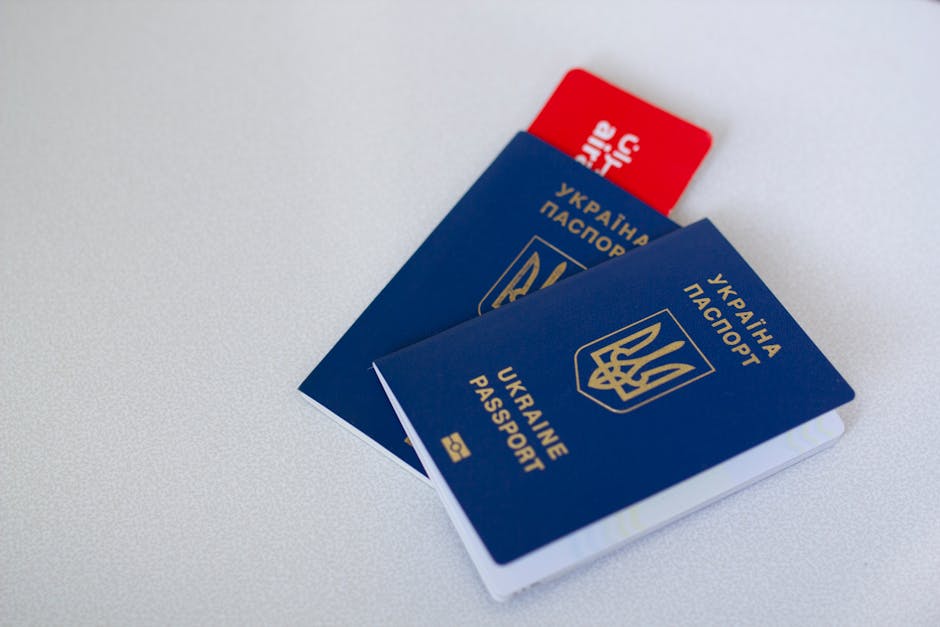
The basic requirement to enter Switzerland is valid identification. EU/EFTA citizens can usually enter with a valid national ID card. For travellers from outside the EU, a passport is almost always required. Check expiry dates: some countries demand passports to be valid for 3 to 6 months after your return date. Before you travel, photocopy your documents and upload scans to an encrypted cloud service.
Visas: if you come from a country that requires a Schengen visa, you’ll need a valid visa to enter Switzerland. Apply through the Swiss embassy or consulate that handles your area. Example: Embassy of Switzerland, 142 Rue de Grenelle, 75007 Paris (France) — phone +33 1 44 18 85 00; opening hours: Mon–Fri 09:00–12:00 and 13:00–16:00. Approximate fees: €80–100 for a short-stay Schengen visa (confirm with the local consulate).
In Interlaken itself, if you have an identity or visa issue, contact the Interlaken Municipal Administration (Gemeindeverwaltung Interlaken), Rathausgasse 9, 3800 Interlaken — citizens’ office: Mon–Fri 08:30–11:30 and 13:30–16:30; phone +41 33 828 71 11. They don’t issue visas but can provide administrative guidance and contact cantonal authorities if needed. Cost: information service is free; official procedures may vary.
Local tip: carry your ID/passport with you at all times during valley hikes — local police (Kantonspolizei Bern – Polizeiposten Interlaken, Bahnhofstrasse 11, 3800 Interlaken) may perform random checks, especially during festivals. Police station hours: 24/7; emergency number: 117 (Switzerland). 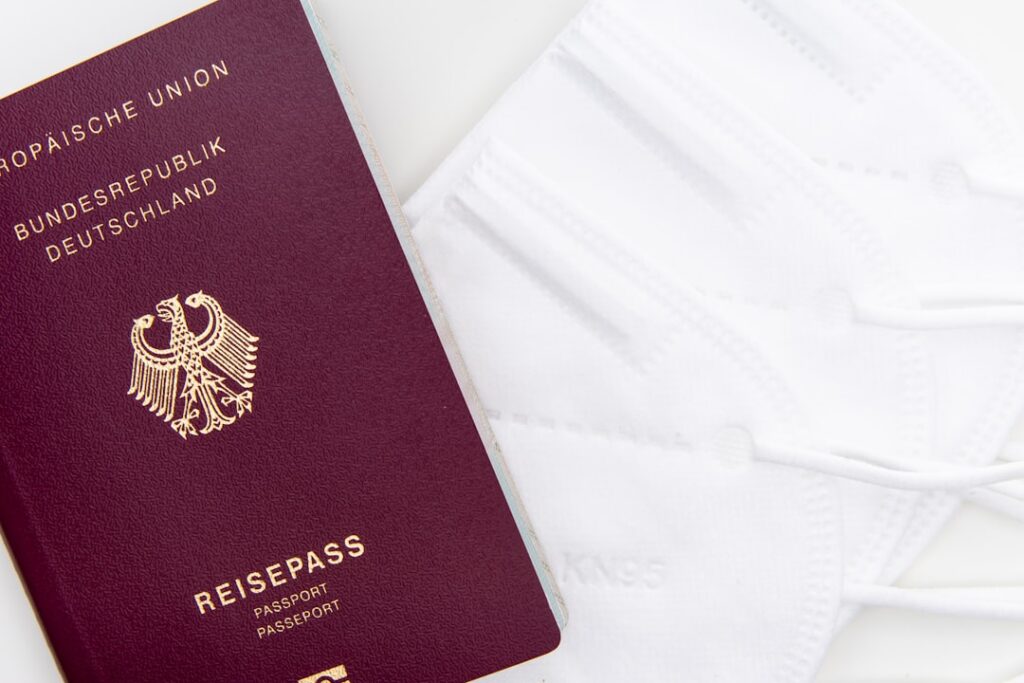
2) Health insurance and medical documents you’ll need
Although Switzerland offers high-quality medical care, treatment can be expensive without adequate coverage. EU citizens should bring the European Health Insurance Card (EHIC) and UK travellers the GHIC — these grant access to medically necessary care under similar conditions to residents. Obtain your card from your national health authority before you leave. Example for France: contact your local CPAM office online or in person; issuance times vary, and it’s free. 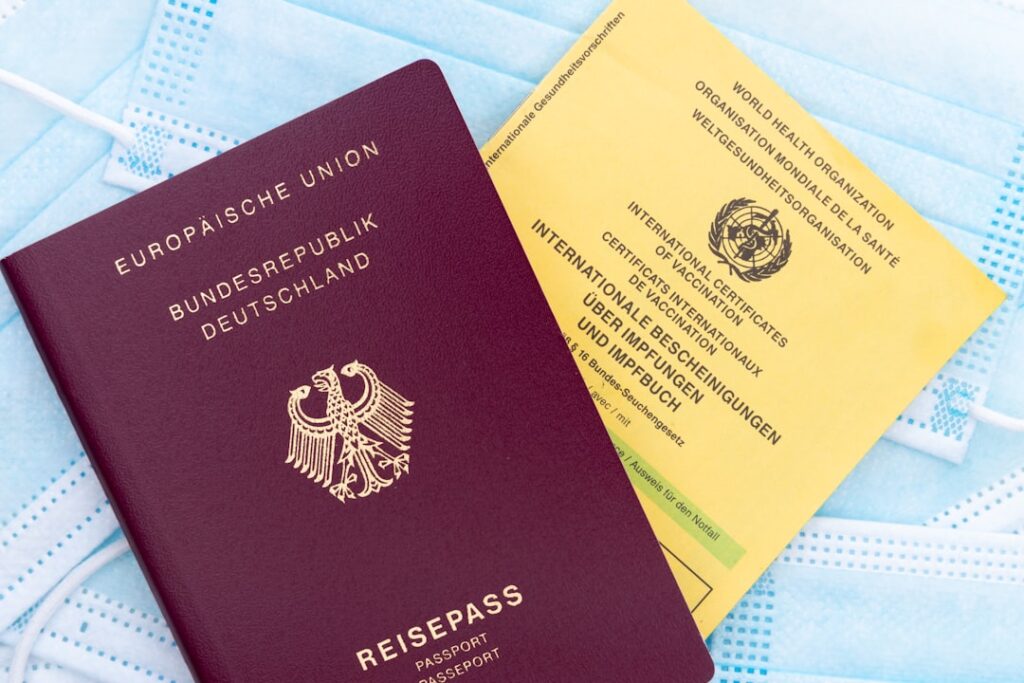
For travellers from outside the EU, or for broader coverage (repatriation, medical evacuation, mountain rescue), buy an international travel insurance policy that explicitly covers alpine activities (hiking, paragliding, canyoning, off-piste skiing). Indicative prices: basic travel insurance €5–10 per day; mountain and evacuation coverage €10–25 per day depending on age and trip length. Keep the insurance certificate in both paper and digital form.
Medical documents: bring a brief medical summary in English/French/German listing allergies, medications (international names) and emergency contacts. If you take prescription medication, carry the original prescription and, if possible, a doctor’s letter in English. Local pharmacy in Interlaken: Apotheke Interlaken, Höheweg 89, 3800 Interlaken — hours: Mon–Sat 08:00–18:00, Sun 10:00–14:00; phone +41 33 828 30 40. 
Practical tip: store digital copies of all medical documents on a cloud service and share access with a trusted contact. In case of a mountain accident, call Swiss emergency ambulance 144 or the general European emergency number 112. Rescuers will often ask for proof of insurance to arrange helicopter transport (which can be very costly without proper coverage).
3) Driving and vehicles: licences, insurance and road documents
If you plan to drive in Interlaken or nearby (mountain roads, alpine passes), check your driver’s licence validity and whether it’s recognised in Switzerland. Holders of licences issued by EU/EFTA countries can usually use their national licence. For some non-EU countries, an International Driving Permit (IDP) is required in addition to your national licence. You can get an IDP from your local automobile association: for example, in France via the Automobile Club Association — central address: 6 Rue Galilée, 75016 Paris; indicative cost: €16–25; hours: Mon–Fri 09:00–17:00.
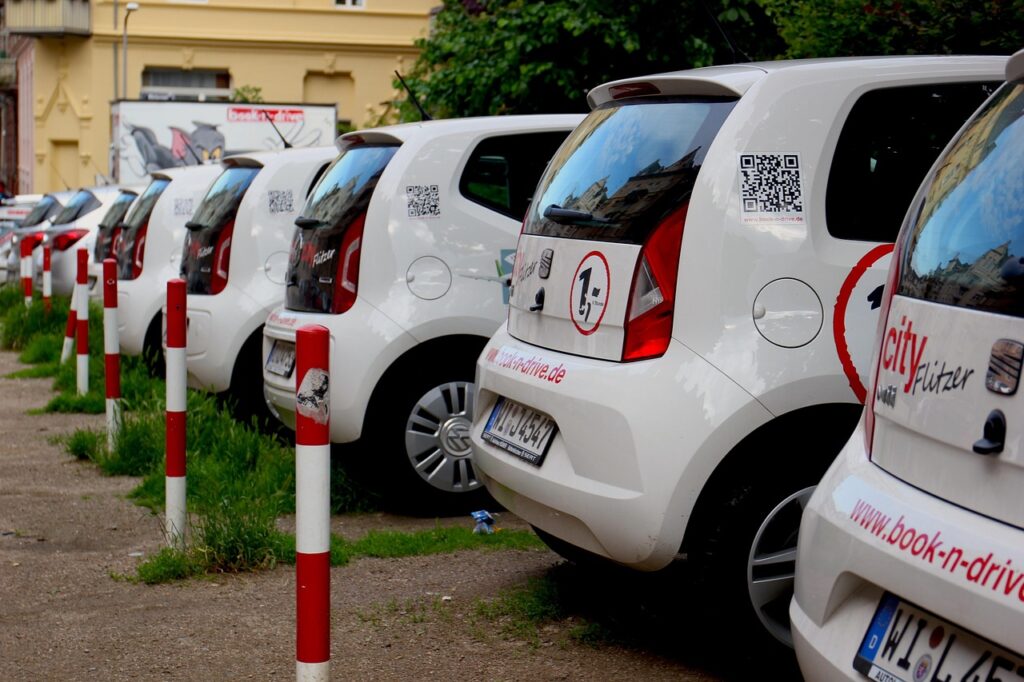
Car insurance: if you bring your own vehicle, carry the international “green card” (motor insurance certificate). Without it you may face issues during roadside checks or after an accident. If you rent a car in Switzerland or abroad, specifically request coverage for Switzerland and mountain driving. Rental price examples: compact car in high season €45–90 per day; additional insurance (CDW/TP) €10–25 per day.
Vehicle documents: vehicle registration (log book), proof of insurance, printed rental contract and the rental agency’s contact details. Common rental office in Interlaken: Europcar Interlaken, Bahnhofstrasse 18, 3800 Interlaken — hours: Mon–Sat 08:00–18:00; indicative rate: from €50/day depending on season and vehicle class.
Local advice: mountain driving calls for caution and the right equipment — winter tyres or chains depending on the season. Check road conditions and weather via the Bern cantonal road service (Strassenverkehrsamt Bern) and local notices. If you have an accident, call the police (117) and your insurer; take photos and gather witnesses.
Conclusion — Final checklist and practical tips for a hassle-free stay
Arriving in Interlaken with peace of mind takes more than booking a hotel: it’s the result of careful documentary preparation. Here’s a summary checklist: valid ID (national ID for EU citizens, passport for others), visa if required (issued by Swiss embassies — e.g. Embassy of Switzerland, 142 Rue de Grenelle, 75007 Paris), European Health Insurance Card (EHIC/GHIC) or travel insurance covering evacuation and mountain activities, recognised driver’s licence and possibly an International Driving Permit (IDP), green card for vehicle insurance, printed confirmations for accommodation and transport, prescriptions and a medical summary in English, plus secure digital backups of all documents.
Before you leave, print essential confirmations (accommodation: full name, exact address, dates — e.g. Hotel Interlaken, Höheweg 74, 3800 Interlaken — double-check your booking), save scans on your phone and in an encrypted cloud, and share your itinerary with a trusted person. Once in Interlaken, the Tourist Information Center (Interlaken Tourism, Höheweg 41, 3800 Interlaken — usual hours 08:00–18:00) can help with train tickets, excursions and practical confirmations. 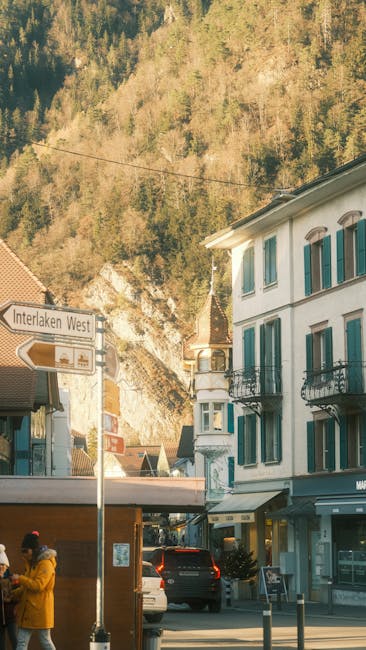
Finally, adopt simple good practices on site: use a waterproof document sleeve during boat trips, keep paper copies in a place separate from originals, note local emergency numbers (Police 117, ambulance 144) and save your embassy’s contact details. If you need to obtain or verify a document urgently, the cantonal administrations and the Interlaken police station (Bahnhofstrasse 11, 3800 Interlaken) are your first points of contact. With the right documents and precautions, you’ll be free to enjoy Interlaken’s mountains, lakes and activities without stress — ready to watch the sunrise from Harder Kulm, sail on Lake Brienz or take the cogwheel train up to the Jungfraujoch.