


Introduction: Diving into Interlaken’s Culture and History
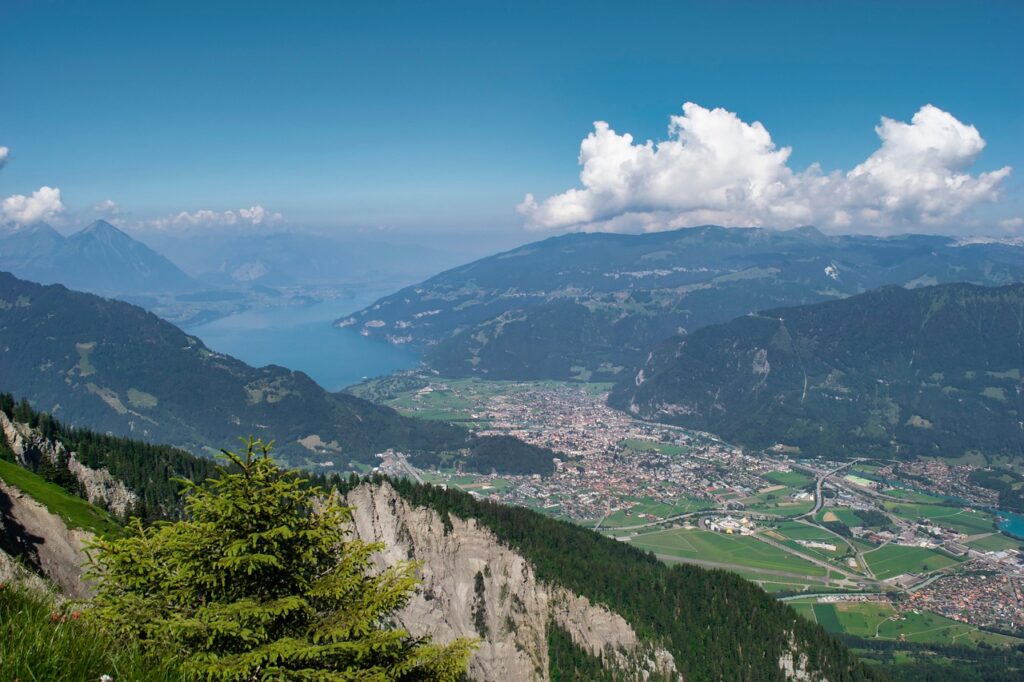
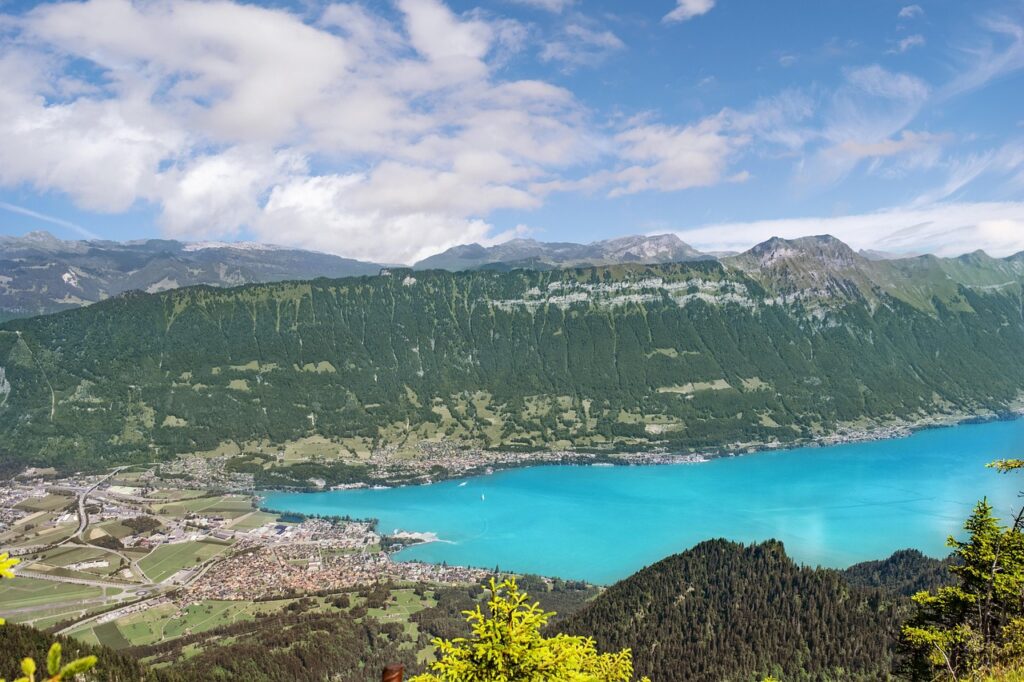
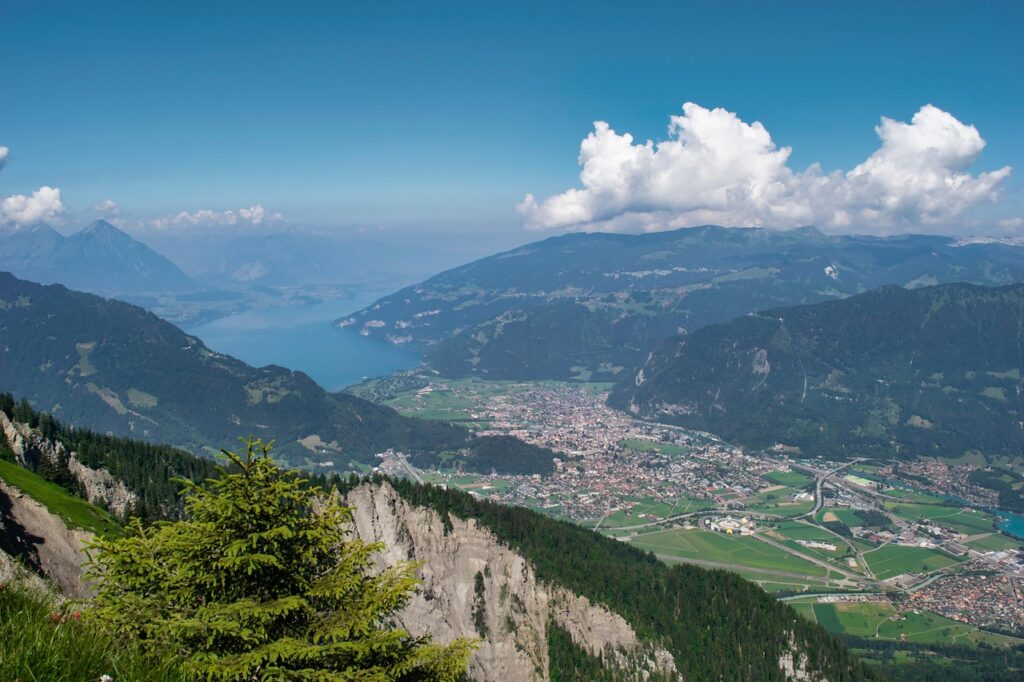
Interlaken, in the canton of Bern, Switzerland, is far more than just a gateway to alpine peaks and outdoor adventures: it’s a living crossroads of stories, traditions and museums that reveal the soul of the High Plateau region. Nestled between Lake Thun and Lake Brienz, the town has long been a meeting place for European travelers since the Romantic tourism era of the 19th century, drawn by its panoramas and alpine climate. The exchange between visitors and locals shaped a vibrant culture of handicrafts, alpine music, seasonal festivals and local anecdotes — all worth exploring as much as the hiking trails.
This guide focuses on Interlaken’s cultural and historical side: museums to visit, local customs, historic buildings, popular tales and everyday habits of residents. You’ll find practical details: full place names, exact addresses, prices in euros (for guidance), opening hours, and immersive descriptions to help you plan a meaningful visit. Whether you’re a curious traveler, a history student or just a fan of local stories, this text puts together a route that unites tangible and intangible heritage.
Interlaken has preserved and highlighted its heritage through collection museums and living-history sites, historic homes and seasonal festivals. You’ll learn, for example, how mountain farming and woodcraft shaped traditional houses, how yodeling and the alphorn keep playing a role at public gatherings, and how local museums keep precious records of an alpine economy that turned toward tourism as early as the Victorian era. We’ll also share anecdotes: rumors about the first spa baths, the eccentricities of early British visitors, and how Interlaken weathered 20th-century change without losing its identity.
The guide mixes themed itineraries (museums, traditions, places of memory), practical addresses for visits, and local tips — when to avoid peak times, which museum rooms not to miss, how to behave at a traditional festival, or where to sample regional specialties after a cultural outing. Prices are shown in euros to make it easier for most international visitors; they’re estimates and may vary with season or temporary exhibitions.
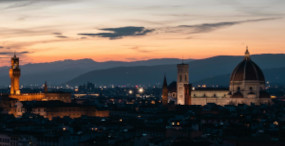
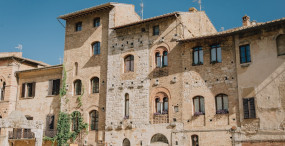
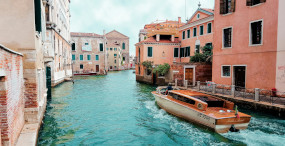
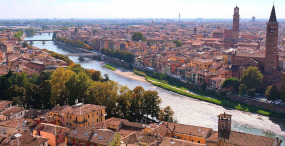
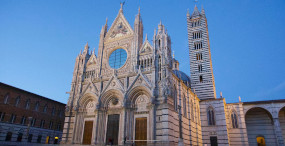
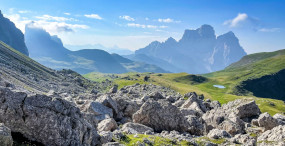
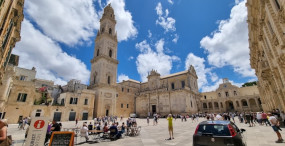
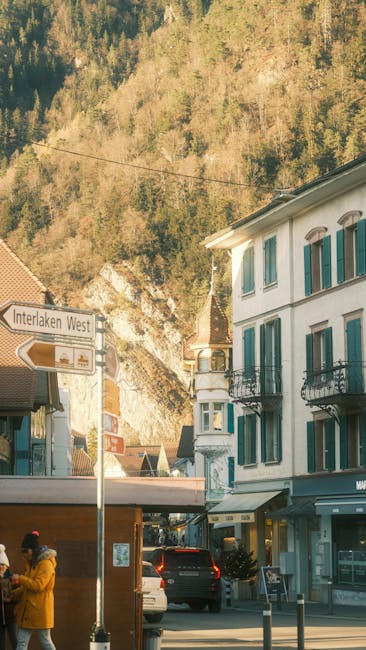
To make the reading more vivid, 7 to 12 visual markers  punctuate the text: photographic descriptions meant to tempt you inside a museum or along a historic street. These markers correspond to suggestive views — facades, museum interiors, folk performances or urban landscapes — and will serve as visual inspiration points for planning your own exploration of Interlaken.
Must-see Museums in and around Interlaken (Heritage and Memory)
Interlaken and its immediate surroundings host several museums that document local history, regional art and High-Argovian traditions. These institutions are ideal for anyone wanting to understand how the mountains shaped lifestyles and artistic vocations in the area.
Heimatmuseum Interlaken (Interlaken Regional Museum) is a good starting point to grasp urban and rural development. Address: Heimatmuseum Interlaken, Höheweg 75, 3800 Interlaken. Opening hours: open Tuesday–Sunday 10:00–17:00 (closed Monday). Price: general admission ≈ €8, reduced ≈ €5, children <16 free. The museum shows collections of household items, traditional costumes, vintage postcards and photographs documenting tourism development since the 19th century. The layout favors a chronological reading: you move from mountain farms to luxury hotels, with displays dedicated to the rise of rail links to the Jungfraujoch. Tip: visit in the late afternoon to avoid school groups in the morning and to make the most of the panels that have English translations.
Ballenberg, the Swiss Open-Air Museum (Freilichtmuseum Ballenberg) is a little way out of town but essential for understanding Swiss rural architecture. Address: Freilichtmuseum Ballenberg, Ballenberg 100, 3855 Brienz (accessible by car or shuttle in 20–30 minutes from Interlaken). Opening times: generally open April–October, daily 09:00–17:00 (seasonal hours to confirm). Price: general admission ≈ €18, reduced ≈ €12, children 6–16 ≈ €8. Ballenberg brings together over 100 historic houses and farms relocated from across Switzerland, reconstructed with costumed craftsmen demonstrating shearing, blacksmithing, weaving and period cooking. It’s a living immersion where traditional skills are shown in action. Advice: check the schedule of craft demonstrations so you can time your visit to see cheese-making or the traditional sawmill in action.
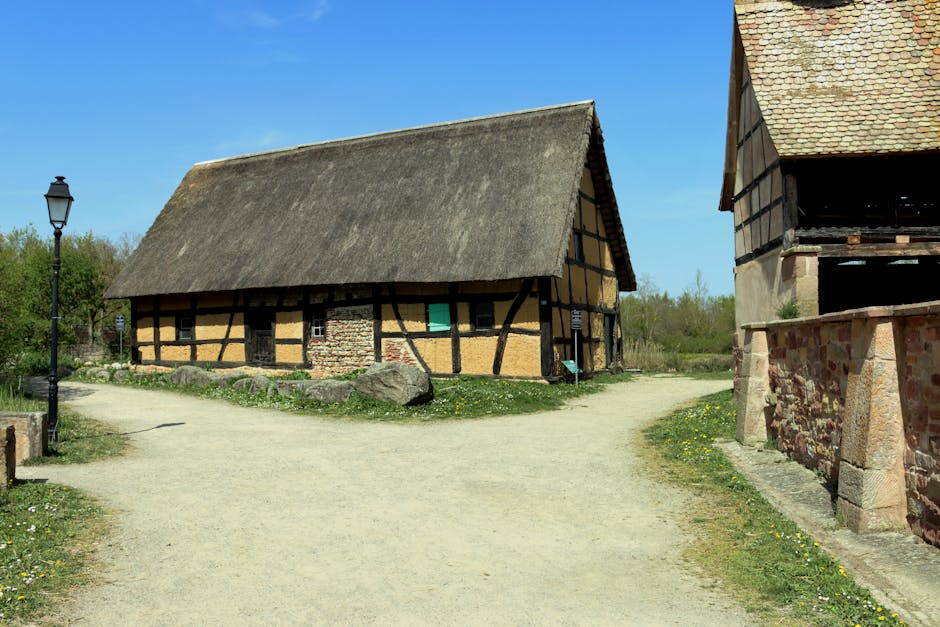
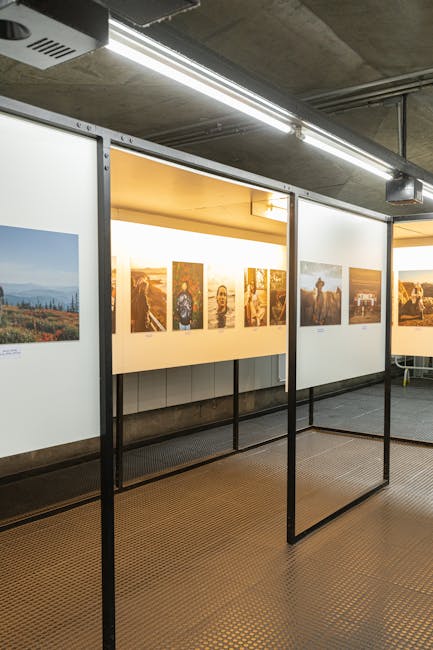
Kunsthaus Interlaken / Local art gallery: for contemporary and regional art, Kunsthaus Interlaken (address: Kunsthaus Interlaken, Höheweg 75A, 3800 Interlaken) hosts temporary exhibitions by local and alpine-region artists, artist workshops and talks. Hours: Tuesday–Sunday 11:00–18:00 (closed Monday). Price: admission ≈ €10, reduced ≈ €6. Exhibitions often explore the dialogue between landscape and modern creation: painting, alpine photography and sound installations. Don’t miss series dedicated to mountain representation in Swiss art since 1800.
Other memory stops: the Casino Kursaal Interlaken (Kursaal Interlaken AG, Casinoplatz 5, 3800 Interlaken) is more than entertainment — it houses archives and temporary exhibitions on the history of tourism. Hours: exhibition times vary; ask at reception; public spaces are often open to visitors during the day. Price: exhibitions vary, often free. Finally, train enthusiasts should stop at the historic Interlaken Ost station (Bahnhof Interlaken Ost, Zentralstrasse 70, 3800 Interlaken) to see infrastructure, old maps and period signage related to the early expeditions to the Jungfrau.
Living Traditions: Music, Costumes and Local Festivals
Interlaken’s traditions blend Bernese folklore, alpine influences and valley-specific customs. They show up in music (yodeling, alphorn), traditional costumes (Tracht) and seasonal festivities where residents and visitors share convivial moments. Taking part in these events is the best way to feel local life.
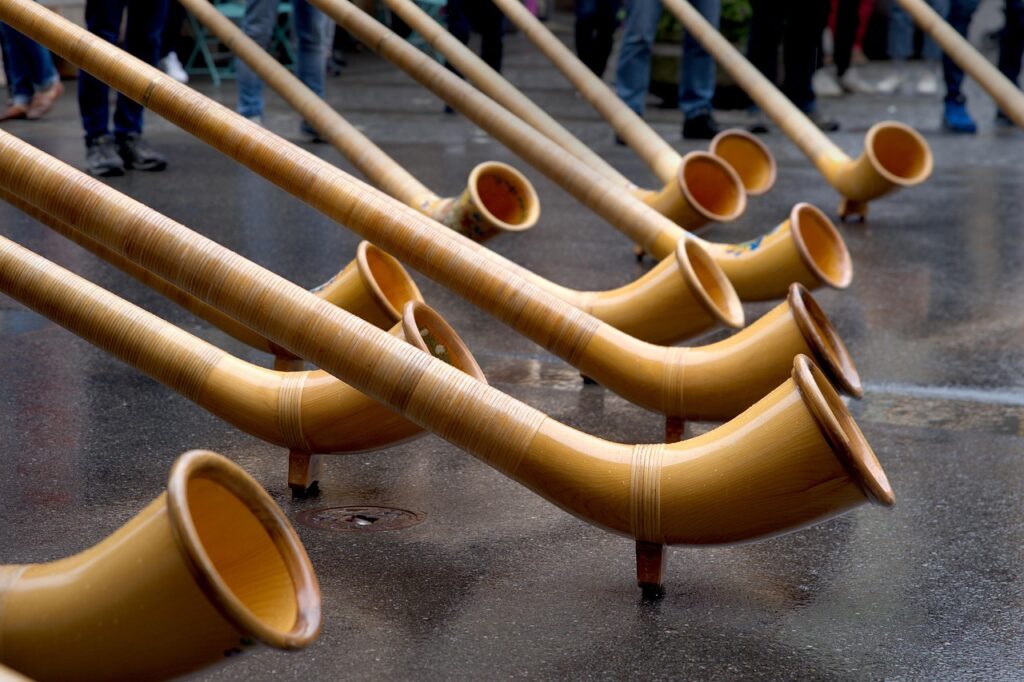
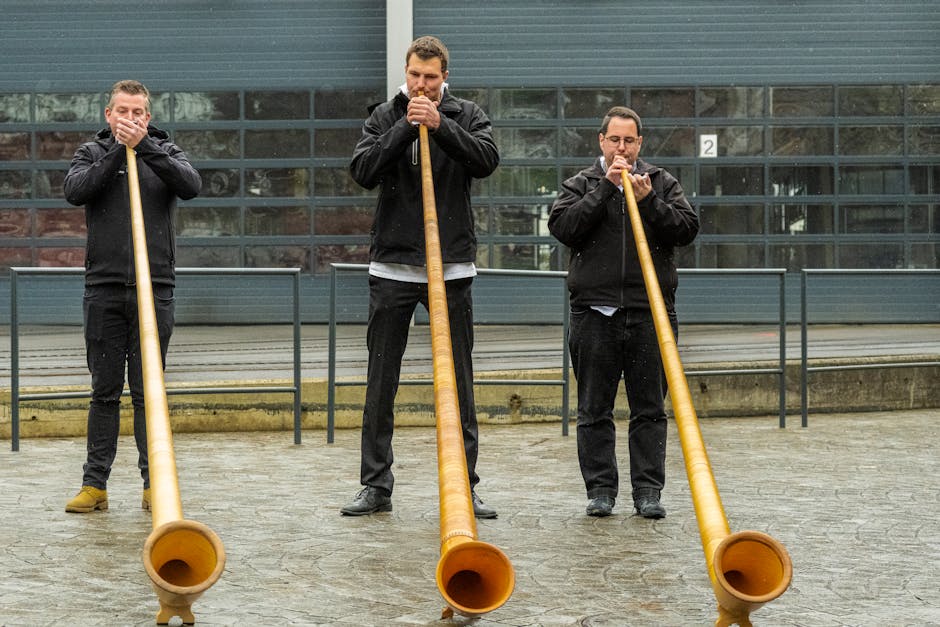
Alpine music: yodeling and the alphorn are powerful markers of local cultural identity. You’ll hear these expressions at concerts by the local music society (Jodlerklub Interlaken) or during summer events in parks and along the Höheweg promenade. Performances and rehearsals often take place at the Kulturzentrum Interlaken (Cultural Center, Casinoplatz 9, 3800 Interlaken). Schedule: events according to program; tickets online and at the box office. Price: concerts ≈ €15–€35 depending on the show.
Seasonal festivals: summer brings open-air concerts, craft markets and costume parades; autumn focuses on harvest and alpine gastronomy; winter features Christmas traditions and markets. The « Guidon Festival » (a local flag festival) and the craft markets in Höhematte park are moments when locals showcase trades and products. Dates vary: most events happen June–September with regular weekend activities. Local tip: arrive early to see the full costumes (embroidered hats, leather suspenders) and to chat with craftspeople; many are happy to explain their techniques in English or German.
Traditional Bernese costume (Tracht) is no longer everyday wear but is still worn at ceremonies and municipal celebrations. Youth folk societies teach yodeling and dance to new generations; you can sometimes attend open rehearsals — great opportunities to learn a few steps or understand the symbolism behind clothing patterns.
Practical tips for respectful attendance: during a festival or performance, avoid intrusive filming during solemn moments, ask permission before photographing people in costume, respect marked-off areas and favor conversation — a simple “Grüezi” (hello) or “Merci” in French/Swiss German is appreciated. Finally, enjoy local musical traditions by leaving a modest tip at concerts; performers often receive contributions directly at the end of the show.
Built Heritage and Historical Sites: Walks and Urban Anecdotes
Interlaken is full of buildings and sites that tell its story: Victorian hotels, travelers’ villas, promenades and public squares where echoes of the past still play out. Walking these places helps you understand urban changes sparked by the 19th-century tourism boom.
Höheweg is Interlaken’s main promenade, lined with historic hotels, cafés and gardens. Strolling along the Höheweg, notice the grand hotel architecture from that era: ornate facades, carved wooden balconies and verandas opening to the view. Indicative address for the walk: Höhematte / Höheweg promenade, 3800 Interlaken (pedestrian route). No ticket required, free to wander. Anecdote: in the 19th century Höhematte was used as an equestrian training ground for British tourists; today it’s a gathering place for festivals and open-air concerts.
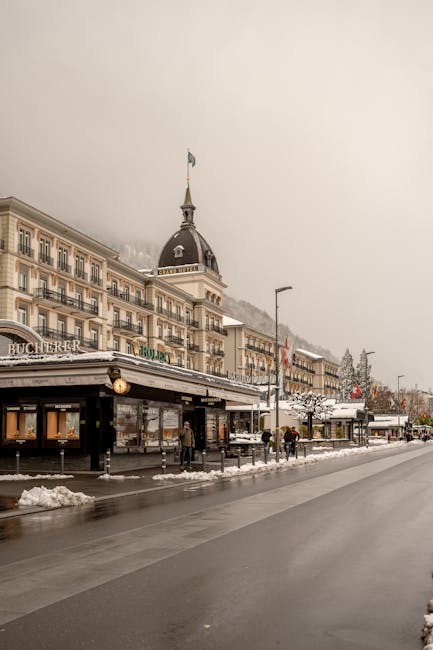
The chapel and bell tower of the old town church in Unterseen (Kirche Unterseen, Kircheplatz 3, 3800 Unterseen) illustrate local spirituality and community practices of the past. Hours: visits possible during the day, times vary with services; often open 09:00–17:00. Free entry, donations welcome. The architecture reflects medieval construction phases and later Baroque renovation; the church preserves liturgical objects and funerary stelae that tell the stories of local families.
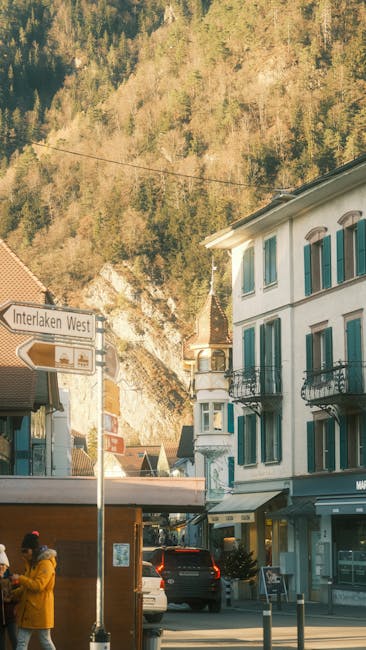
The bridge over the Aare River and the station quays (Interlaken Ost and Interlaken West) are prime viewpoints. The historic stations (Interlaken Ost, Zentralstrasse 70, and Interlaken West, Bahnhofstrasse 9) played a key role in opening the region to international tourism: shop windows, wooden signs and old train departures recall the early alpine expeditions. For transport-history buffs, a guided visit to Interlaken Ost station (contact SBB ticket office) is recommended: check guide times and archives accessible to the public.
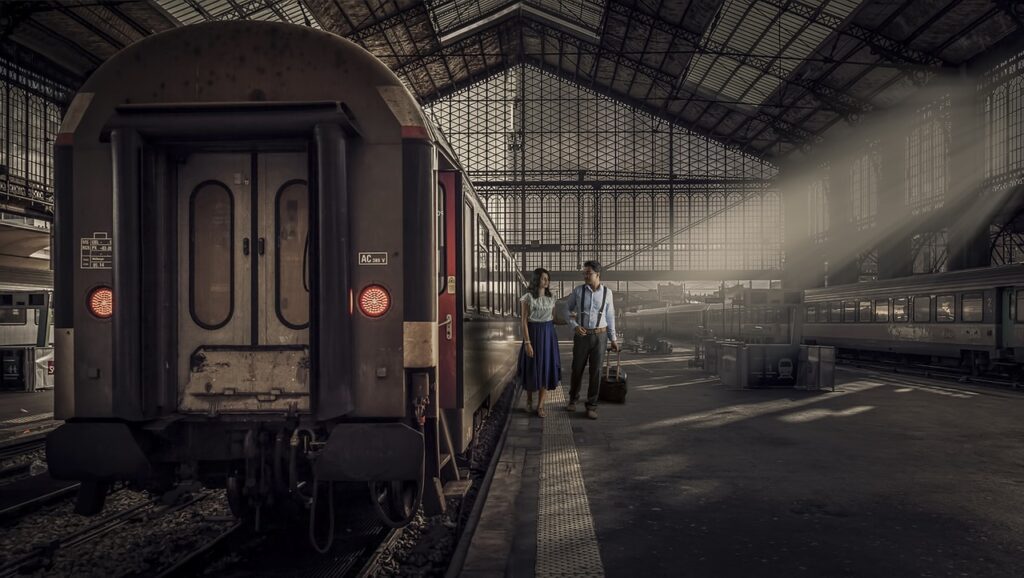
Urban anecdotes: it’s said that some Victorian hotels hosted literary salons where British and German writers discussed alpine landscapes, and that Interlaken tea rooms inspired famous travel tales. Other local stories mention smugglers using wooded paths between Brienz and Thun to avoid patrols, or farmers who made fortunes by hosting summer visitors. These oral histories pepper local guided tours and add flavor to a walk through town.
Cultural Experiences: Workshops, Tastings and Markets
To experience Interlaken’s culture actively, join workshops, markets and tastings that showcase local know-how and alpine flavors. These experiences are especially rewarding: you learn a craft, taste a regional product and talk directly with producers.
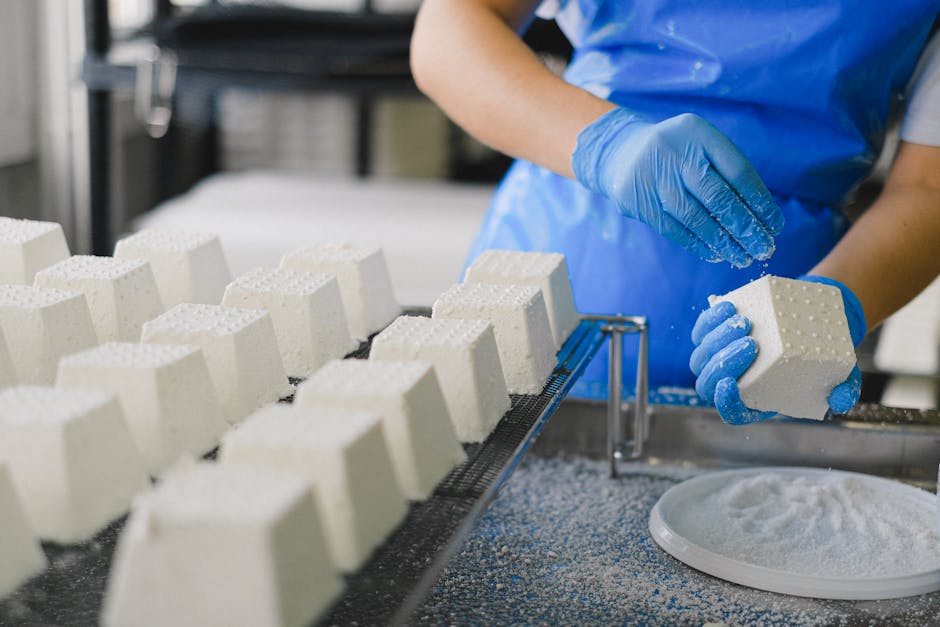
Cheese-making workshop: several farms nearby offer cheese-making sessions (Raclette, Sbrinz). A recommended example is Bergbauernhof Local Farm (example: Bergbauernhof Schynige Platte Farm, Bergstrasse 12, 3800 Interlaken — check availability), which runs 2–3 hour introductory sessions. Price: workshop ≈ €35–€60 per person (including tasting). Times: typically mornings 09:30–12:00 or afternoons 14:00–17:00, by reservation. Tip: book in advance and bring warm clothes if the workshop takes place at altitude.
Craft workshops (woodworking and weaving): at Freilichtmuseum Ballenberg and in private studios around Interlaken you can join introductory sessions in woodcarving or weaving. Example address: Atelier Holzwerkstatt Interlaken, Werkstrasse 5, 3800 Interlaken (workshops by appointment). Price: around €20–€45 depending on duration and materials. Local instructors show how traditional cabinetry informs contemporary creations: boxes, spoons and wooden toys.
Local markets: Interlaken’s weekly market (Saturday market, central Höhematte/Marktplatz) offers fresh produce, cheeses, charcuterie, breads and crafts. Hours: usually Saturday mornings, 08:00–13:00. Prices: variable; plan on ≈ €5–€20 to sample several specialties on site. Food tip: try the local cheese with a piece of dark bread (Brot) and some dried sausage; buy directly from producers to chat about their methods.
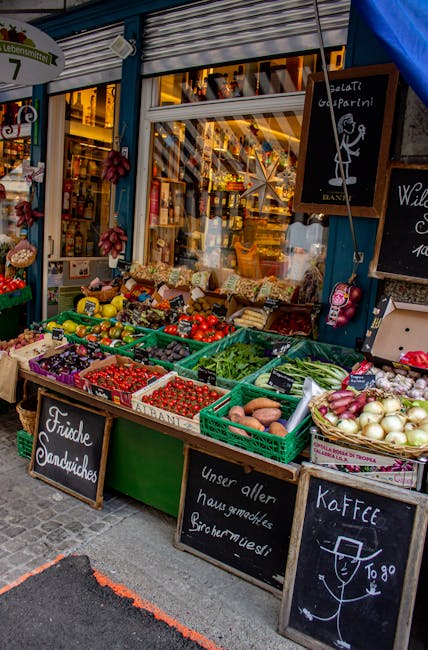
Tastings and traditional restaurants: after a workshop, head to a traditional inn (Gasthaus) for raclette or fondue in an alpine setting. Example: Restaurant Taverne at the Grand Hotel Beau-Site (The Grand Hotel Beau-Site, Höheweg 41, 3800 Interlaken) serves traditional dishes; raclette menu ≈ €25–€40. Service times: lunch 12:00–14:00, dinner 18:00–21:30. For a more rustic, authentic experience, look for the “Alpenbeizli” on the outskirts, often marked on local maps.
Practical Tips, Anecdotes and Local Recommendations
Planning cultural visits in Interlaken takes a bit of organization: museums have variable hours, some workshops require bookings, and seasonality matters. Here are practical recommendations and useful local anecdotes.
Tickets and currency: most museums accept cards and sometimes euros in cash, but it’s best to carry Swiss francs (CHF) for small purchases and market buys. Prices shown here are in euros for convenience; expect variations. For reservations (Ballenberg, workshops, concerts), book online or by phone at least 48 hours ahead during high season.
Best season for heritage: spring and autumn make great shoulder seasons for museums and sites without the summer crowds. Ballenberg is particularly lively from May to October. In winter, some roads to farms and open-air museums close — check opening dates.
Transport and access: Interlaken is well served by Swiss Federal Railways (SBB). Interlaken Ost and Interlaken West stations are convenient starting points. For outlying sites like Ballenberg, buses and shuttles connect regularly; check with Interlaken Tourismus (Interlaken Tourismus, Höheweg 41, 3800 Interlaken; hours: 08:30–18:00, information services typically free).
Local anecdotes: it’s said a famous Scottish writer who introduced the region to European high society stayed several summers on the Höheweg — these stays helped build the Romantic legend of the Swiss Alps. Another little story: some Unterseen cheesemakers keep family raclette recipes you won’t find in guidebooks; to access them, ask politely at the market.
Respect and customs: greeting when entering a shop or church is appreciated; polite language and a small cultural reciprocity (learning a word of Swiss German) often open doors to deeper visits. Above all, take your time: Interlaken’s culture is best discovered on foot, through conversations, over coffee with a mountain view, and by letting local stories enrich your experience.
Conclusion: Taking Interlaken’s Memory Home
Interlaken is not just a jumping-off point for summiting peaks or pursuing adventure sports: it’s a place where culture and history are written into museums, living workshops, musical and culinary traditions and strolls through neighborhoods full of anecdotes. Museums — from the Heimatmuseum to the vast reconstructions at Freilichtmuseum Ballenberg — give keys to understanding how residents shaped their landscape and habits. Festivals, costumes and alpine music testify to a living identity passed down through generations.
For the curious traveler, the best approach is to combine museums with hands-on experiences: watch a craft demonstration, join a cheese workshop, listen to a yodel concert and wander the Höheweg studying historic hotel facades. The addresses and opening hours in this guide help you plan themed days: a museum morning, a workshop afternoon and a musical evening at a café or the Kursaal.
Finally, take the little stories and local tips with you: chat with a cheesemaker at the market, ask about the history of a house in Unterseen, and don’t miss temporary exhibitions that continually refresh how the mountain is seen. By respecting customs and taking time to listen, you’ll leave Interlaken with more than a photo album: a real understanding of alpine culture and human memories that give the place its depth.