


Introduction
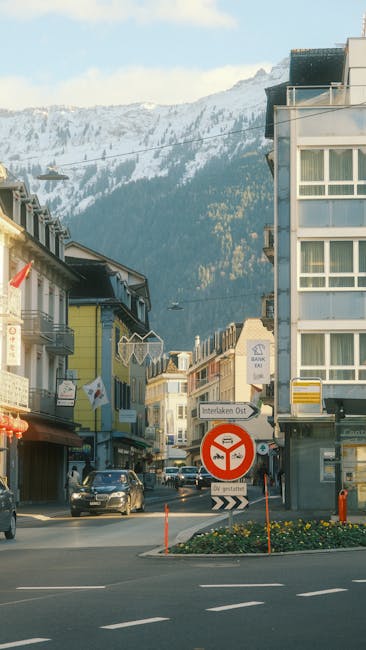
Interlaken, tucked between Lake Thun (Thunersee) and Lake Brienz (Brienzersee) and framed by the iconic peaks of the Bernese Oberland, is a perfect gateway for a wide variety of walks: lakeside strolls, high-altitude hikes, cogwheel train excursions and wandering through picture‑perfect alpine villages. Thanks to its strategic spot — sandwiched between Interlaken Ost and Interlaken West — the town benefits from an efficient public transport network (trains, buses, boats and cable cars) that can get you to spectacular scenery in under an hour. This guide is a practical, immersive resource to plan walks around Interlaken: routes, exact departure points, indicative prices in euros, typical opening hours, sensory descriptions and local tips to make the most of each outing.
Whether you’re after an easy lakeside wander, a funicular ride up to a panoramic viewpoint, a day spent in a traditional village like Lauterbrunnen or Brienz, or mountain trails with jaw‑dropping views, this guide covers the must‑see spots and a few lesser‑known routes. Practical details below — departure addresses, schedules and fares — are shown in euros to make things easier for European visitors; they’re approximate and can change with the season. For every place I include local tips: when to go to avoid crowds, what gear to bring, and photo opportunities to watch for.
More than a simple catalogue, this guide aims to convey atmosphere: the gentle slap of waves on the hulls of passenger boats, the scent of pines at altitude, the golden light on timbered village facades, the distant rumble of a waterfall. You’ll find walks for every level — easy family-friendly strolls, half‑day hikes, and options you can pair with a cable car for less experienced walkers. Finally, I give precise departure details (stations, piers, cable car bases) so you can plan routes without wasting time.
Walk 1 — Harder Kulm: Interlaken’s Viewpoint and the Panoramic Walk
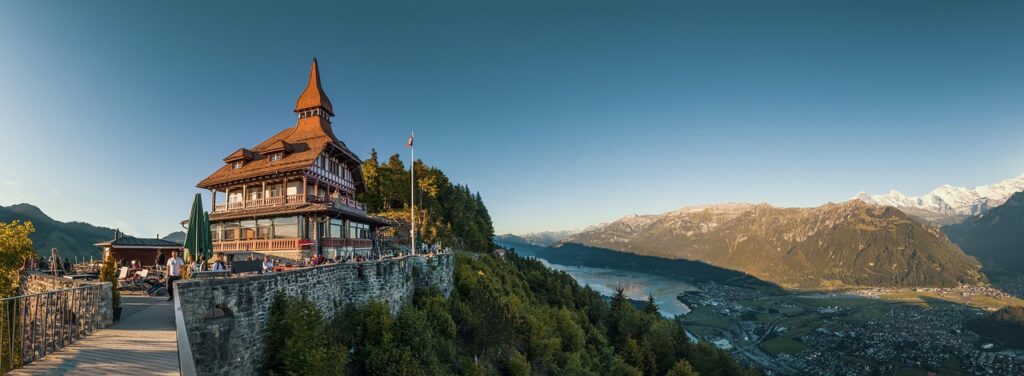
Harder Kulm is the local mountain overlooking Interlaken and offers one of the most photogenic panoramas: a balcony view over both lakes (Thunersee and Brienzersee), the Aare valley and the Alpine chain, with the Eiger, Mönch and Jungfrau standing proud in the background. The easiest way up is the Harderbahn funicular.
Departure address: Harderbahn (Interlaken Funicular), Höheweg 40, 3800 Interlaken.
Opening hours (typical): 09:00 – 17:00 (April–October), 09:30 – 16:30 (November–March); check seasonal timetables online.
Indicative price: around €25 return per adult, €12–€15 for children (varies with promotions and the Interlaken Guest Card).
Ascent time: 8 minutes by funicular; allow 1.5–2 hours on site to enjoy the viewpoint and trails.
At the top the panoramic platform at the « Panorama Restaurant Harder Kulm » (sitting at 1,322 m) offers 360° views. Nearby walks include an easy loop (30–45 minutes) to secluded viewpoints and benches overlooking the valley. The trail features information panels on local geology and wildlife — look for marmots among the rocks in spring and temporary waterfalls after heavy rain.
- Photo tip: arrive about 30 minutes before sunset for warm light on the peaks and the lake surfaces.
- Hiking tip: if you prefer to hike up, the Harder trail (Hardergrat start) is more demanding — bring sturdy shoes and water, and count on 2–3 hours depending on your pace.
- Comfort: the restaurant at the top serves local dishes; mains typically €15–€30. Consider booking on weekends in high season.
Walk 2 — Lakes Thun and Brienz: Cruises, Piers and Lakeside Strolls
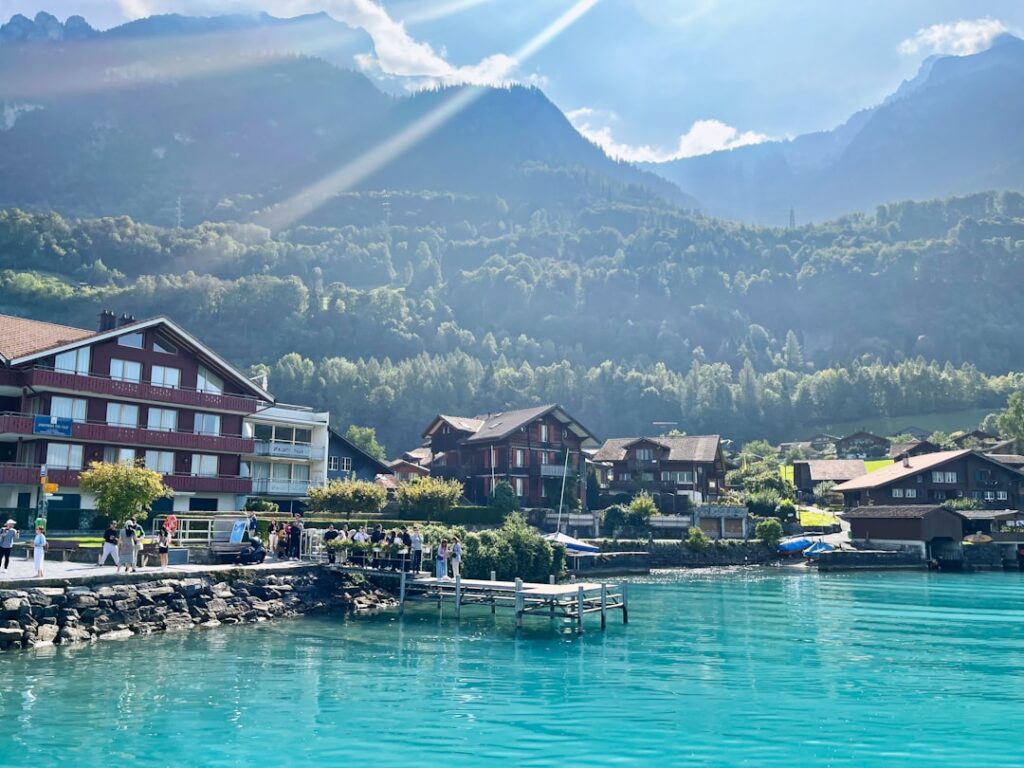
The two lakes that flank Interlaken offer very different walks: Lake Brienz (Brienzersee) is famed for its turquoise water and limestone cliffs, while Lake Thun (Thunersee) is larger and dotted with castles and historic shoreline villages. The BLS boat company operates scenic connections between Interlaken, Brienz and Thun.
Main departure pier in Interlaken: Schiffstation Interlaken West, Bahnhofstrasse 1, 3800 Interlaken.
Main pier in Brienz: Schiffstation Brienz, Bahnhofstrasse 2, 3855 Brienz.
Typical hours: frequency varies with the season — generally services run 09:00 – 18:00 (April–October), less frequent in winter.
Indicative fares: Interlaken – Brienz around €16–€20; Interlaken – Thun (via boat and connections) roughly €25–€35. Prices may be reduced with a Swiss Travel Pass (check euro equivalents).
Recommended outing: take the boat from Interlaken West towards Iseltwald then on to Brienz. Disembark at Iseltwald for a 45‑minute stroll along the shore — you’ll pass a small pebble beach, a photogenic jetty and a handful of maple‑shaded wooden houses. The continuation to Brienz reveals deep blue waters hugged by small coves and forested slopes. In Brienz wander the artisan village known for woodcarving and its street of historic houses.
- Timing tip: morning light is best on Brienzersee for capturing the turquoise water without wind reflections.
- Activities: kayak rentals in Brienz (about €25–€40/hour), stand‑up paddleboarding lessons in summer.
- Accessibility: piers are generally stroller and wheelchair friendly, but check the specific boat before boarding.
Walk 3 — Lauterbrunnen and Its Waterfalls: Alpine Valleys and Cliffside Villages
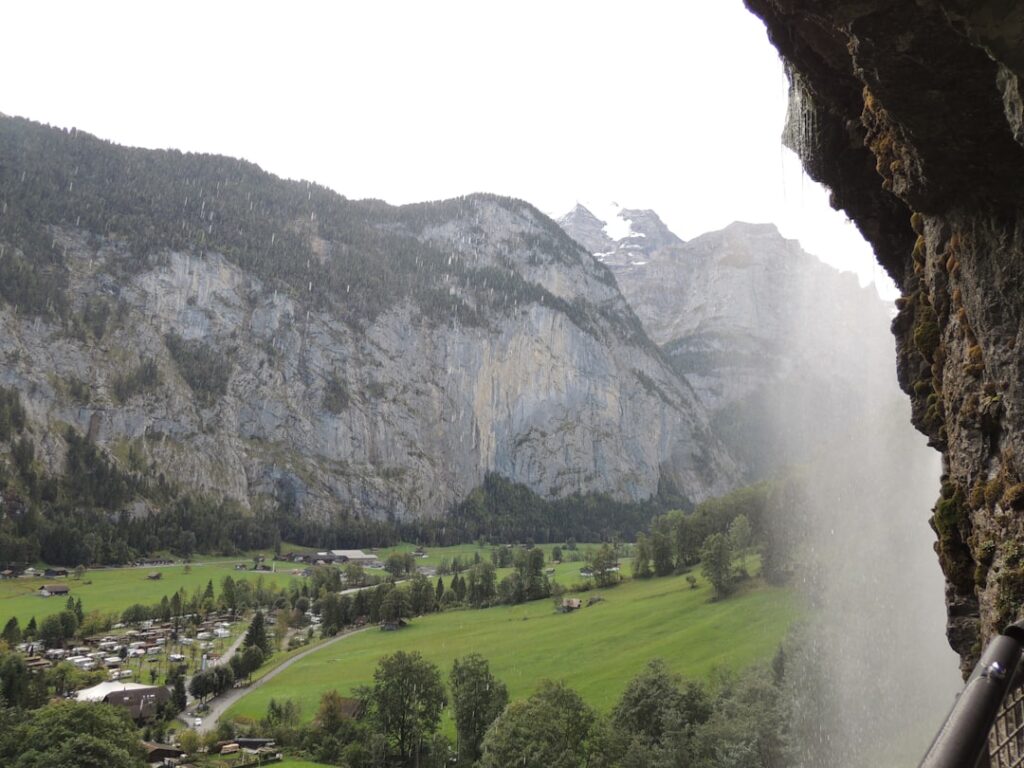
The Lauterbrunnen valley is often described as one of Europe’s most beautiful glacial valleys: sheer cliffs, alpine meadows and 72 waterfalls — including the famous Staubbach Falls and the Trümmelbach Falls. The village of Lauterbrunnen is an excellent base for several easy to moderate walks.
Departure point address: Lauterbrunnen Station (Lauterbrunnen Bahnhof), Bahnhofstrasse 30, 3822 Lauterbrunnen.
Station hours / service: regular rail service roughly 06:00 – 23:00 depending on lines (Berner Oberland Bahn). Frequent trains from Interlaken Ost (about 20 minutes).
Indicative fares: Interlaken Ost – Lauterbrunnen train about €6–€10; Trümmelbach Falls (indoor waterfalls) entry around €9–€12.
Highlighted walks include the short stroll to Staubbach Falls (10–20 minutes from the station), which plummet nearly 300 metres, and the Trümmelbach Falls visit (a series of glacial waterfalls inside the mountain accessible via lifts and walkways), especially dramatic after snowmelt rains. For a longer loop, follow the trail to Stechelberg (allow roughly 2 hours) or take the cable car to Grütschalp and the mountain train to Mürren for a car‑free alpine experience.
- Seasonal tip: waterfalls are most impressive in late spring / early summer during snowmelt.
- Gear: closed hiking shoes, a windbreaker and poles for slippery sections near waterfalls.
- Food & drink: local cafés (e.g. Café Oberland, Dorfstrasse 25, Lauterbrunnen) serve simple Swiss meals around €12–€22.
Walk 4 — Grindelwald and First: Alpine Pastures, Via Ferrata and Eiger Views
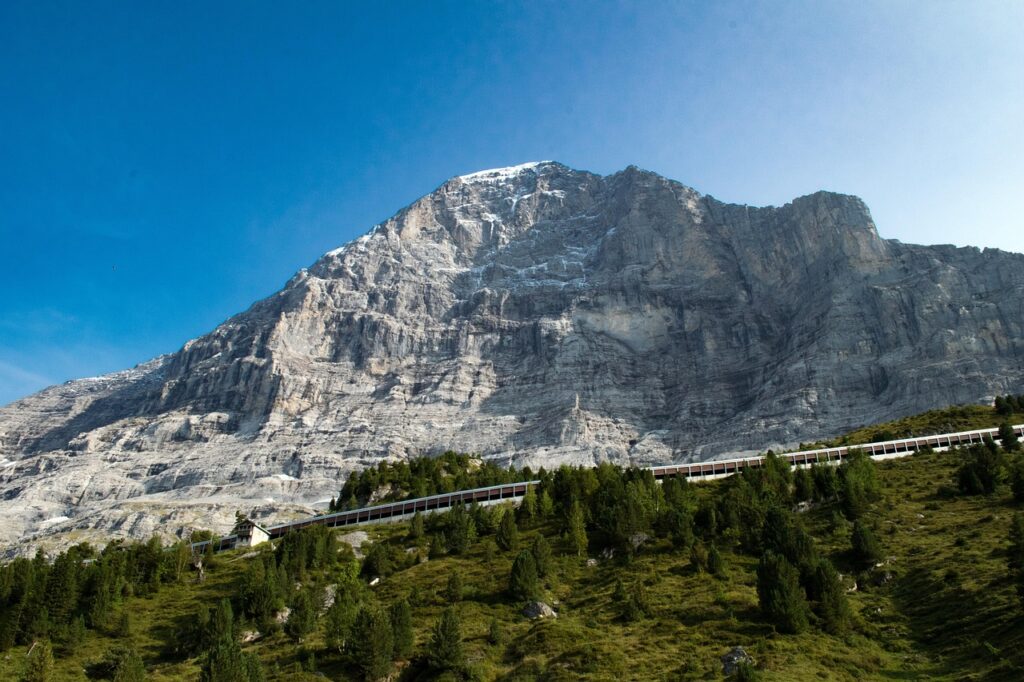
Grindelwald, sitting beneath the imposing north face of the Eiger, is a great base for varied alpine walks: ridge trails, high lakes and adventure activities. The ascent to First (via the Grindelwald–First cable car) opens onto incredible scenery and routes suitable for families as well as walkers.
Starting point: Grindelwald Station, Bahnhofplatz 21, 3818 Grindelwald.
Grindelwald–First cable car: Firstbahn station, Firstbahn‑Talstation, 3818 Grindelwald (near the station).
Typical hours: 08:30 – 16:30 (hours vary by season).
Indicative fares: roundtrip Grindelwald–First cable car about €30–€35 per adult, €15–€20 child; access to the First Cliff Walk is included with the ticket.
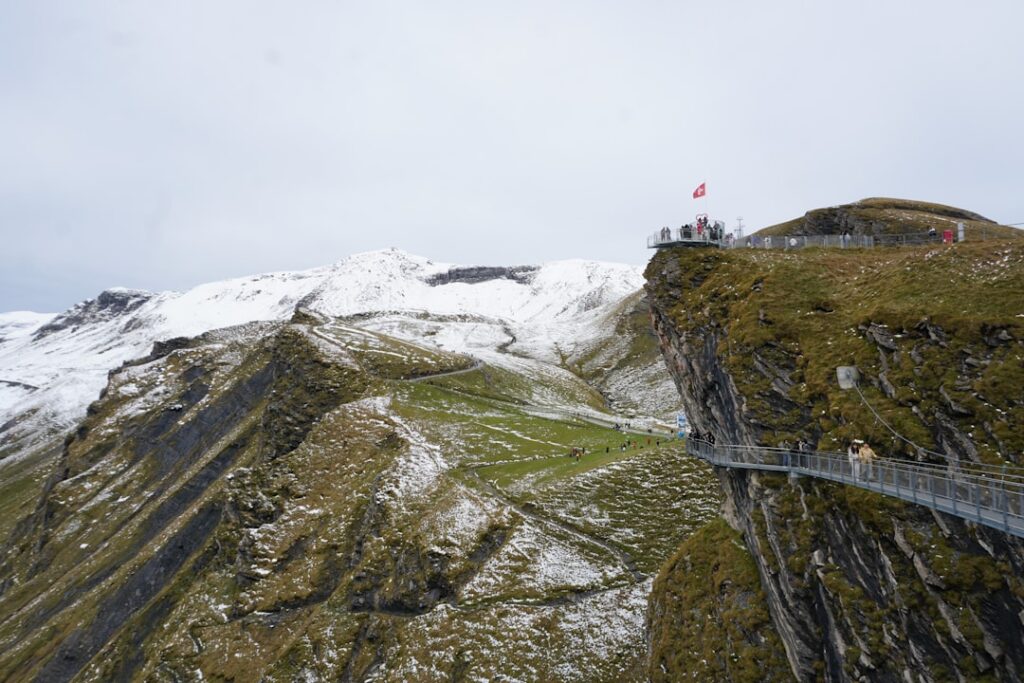
At the top you’ll find the « First Cliff Walk » suspension walkway, the hike to Lake Bachalpsee (around 1h15 each way) and the « First to Grindelwald » trail — all classics. Bachalpsee often mirrors the Eiger and sky on a glassy surface, producing unforgettable photos in calm weather. For adrenaline fans, the First Flyer (zipline) and via ferrata are available (prices vary, typically €40–€70 for guided activities).
- Hike tip: start early to avoid crowds on the Bachalpsee trail; bring water and snacks — there’s no service on the trail.
- Weather: mountain conditions change fast: pack layers and a rain jacket even in summer.
- Transport: regular train connections from Interlaken Ost (about 30–35 minutes, fare around €12–€18).
Walk 5 — Brienz, the Woodcarving Trail and Schynige Platte: Tradition and Floral Panoramas
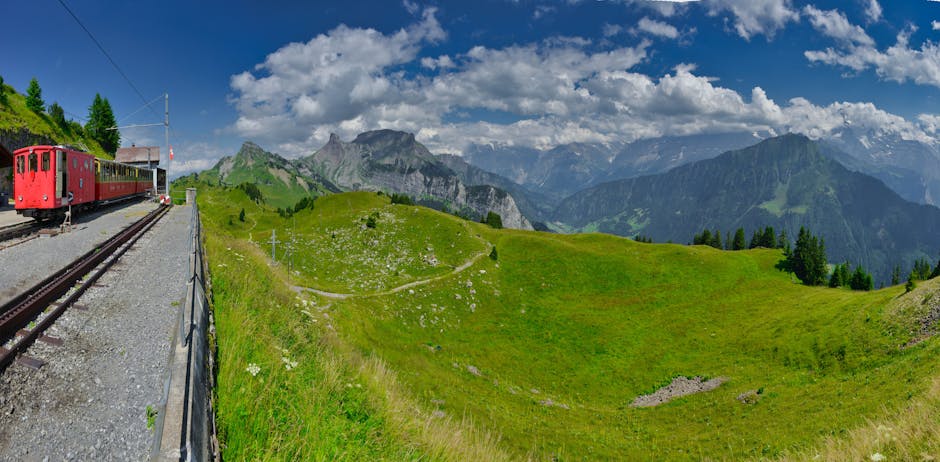
The village of Brienz on the eastern shore of Lake Brienz is famous for its woodcarving tradition. From Brienz or Wilderswil the climb to Schynige Platte (via cogwheel railway) delivers classic alpine panoramas and an alpine botanical garden showcasing endemic flowers.
Departure station for Schynige Platte: Wilderswil Station, Bahnhofstrasse 1, 3824 Wilderswil (connection from Interlaken Ost).
Typical season / hours: Schynige Platte Bahn generally operates from late May to October, roughly 08:30 – 17:00 depending on the timetable.
Indicative fares: roundtrip Wilderswil – Schynige Platte about €40–€45 per adult.
Brienz woodcarving info: Brienz Tourismus, Bahnhofstrasse 8, 3855 Brienz (for workshops and museums).
The cogwheel train climbs slowly with rewarding valley and lake views. At the summit (about 1,967 m) the panorama over lakes and peaks is wide; the Alpine Garden shows a colourful array of endemic flowers — especially vivid in June–July. In Brienz don’t miss MuseumBrienz (the woodcarving museum) and local workshops where artisans demonstrate their craft.
- Visit tip: combine Brienz in the morning with Schynige Platte in the afternoon to catch the best light on the lakes.
- Local purchases: carved items from Brienz make lasting souvenirs; beware of fakes — buy from certified workshops (museum and local shops).
- Families: summit trails are well suited to children; bring a picnic in case the restaurant is full.
Conclusion
Interlaken and its surroundings offer a wealth of walks to suit every taste and ability: peaceful lakeside strolls on Brienzersee and Thunersee, accessible viewpoints like Harder Kulm, grand valleys like Lauterbrunnen with their waterfalls, alpine hikes around Grindelwald and First, and cultural and craft experiences in Brienz. Together they form an ideal playground for travellers who want to mix scenery, activity and cultural immersion.
To prepare your outings, here are some practical summary recommendations: opt for early starts to avoid crowds and benefit from the best light, check cable car/funicular and boat timetables (which vary a lot by season), and consider getting an Interlaken Guest Card if your accommodation offers it — it often gives discounts on certain trips and entrances. For hikers, weather can change quickly: layers, suitable shoes and water are essential. Finally, respect trails and nature: take no litter and keep a respectful distance from wildlife (marmots, nesting birds).
Indicative budget for a typical day: count on €40–€80 for an excursion that includes a cable car/funicular ride + a meal + local transport (excluding high‑adrenaline activities). For longer stays, the Swiss Travel Pass or regional cards can offer very good value for trains, buses and boats.
If you’d like, I can put together detailed 1-, 3- or 5-day itineraries around Interlaken, an interactive map of the spots mentioned, or options tailored to families, experienced hikers, or travellers looking for more relaxed activities. Tell me your dates and preferences (pace, budget, mobility) and I’ll prepare a personalised plan.