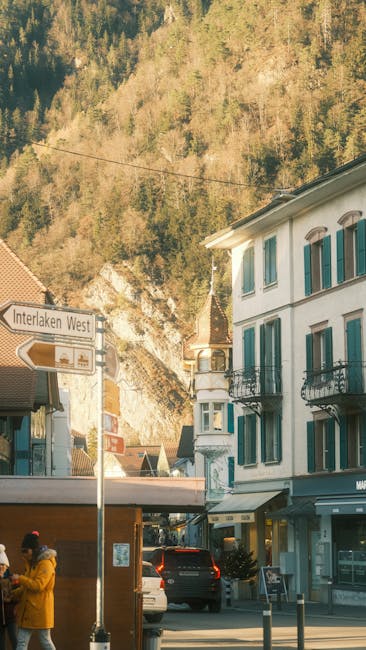



Introduction — Interlaken off the beaten path: why stray from the tourist trail
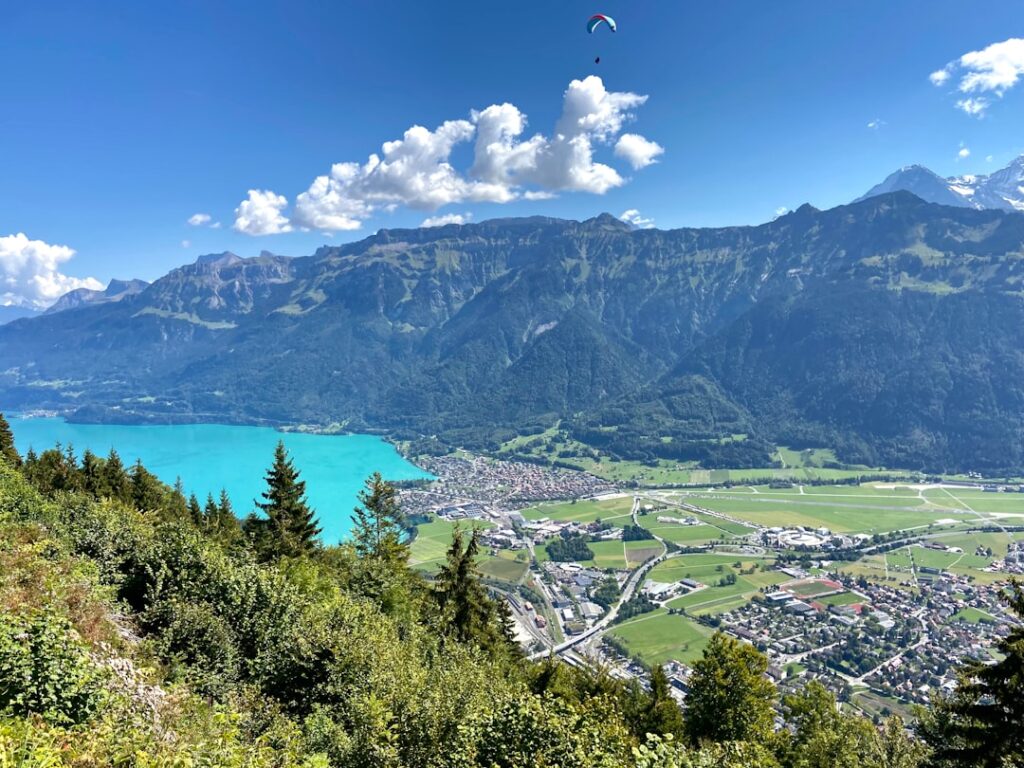
Interlaken, tucked between Lake Thun and Lake Brienz and framed by the peaks of the Bernese Oberland, draws visitors from around the world every year. Yet beyond the must-see highlights — Jungfraujoch, Harder Kulm, boat cruises — lie lesser-known spots that offer a more intimate encounter with the landscapes, local history and everyday life. This guide reveals 10 places often missed by hurried travelers: quiet caves, forgotten alpine gardens, tucked-away cafés, secret hikes and craft workshops where time seems to stand still.
These discoveries are more than just pretty views: they tell the soul of Interlaken. They show how locals tamed a sometimes harsh terrain, turning cliffs and shores into walkable paths, orchards and vegetable plots. They also offer sensory experiences — the flavor of a locally aged cheese, the scent of damp moss in a cave, or the sight of a valley lit by low-angled sunlight — that change how you perceive the region. This guide gives practical details: exact addresses, opening times, prices in euros, local tips and immersive descriptions for each spot.
If you’re planning a trip to Interlaken and want to avoid the crowds, this guide will give you perfect alternatives to enrich your stay. The 10 places chosen suit gentle walkers and photography enthusiasts alike, readers seeking quiet, and curious food lovers. Each recommendation includes access information, the best times to visit and little tricks to fully enjoy the site without spoiling its atmosphere. Lace up your walking shoes, grab a camera and bring an open curiosity: Interlaken off the beaten path starts now.
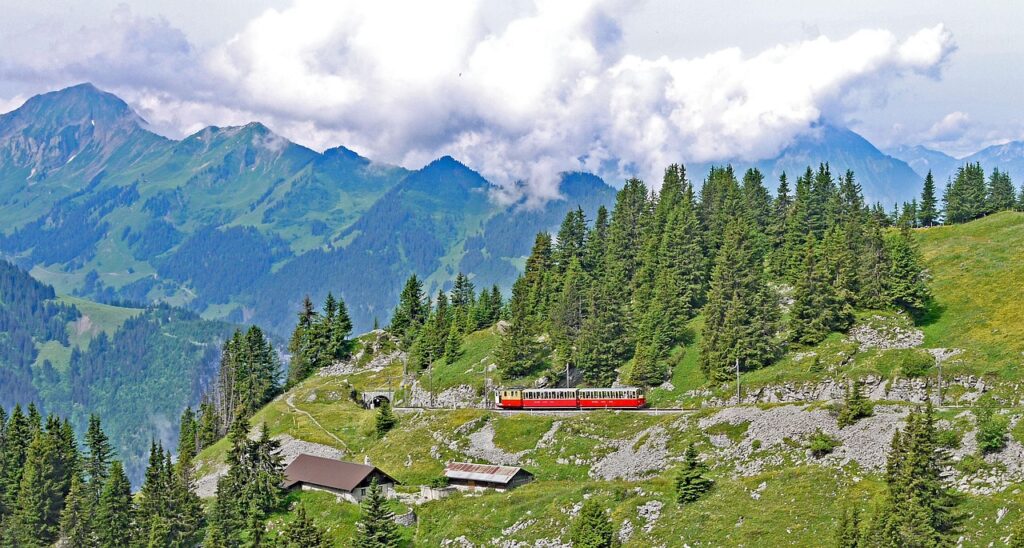
1. Beatus Caves (Beatushöhlen) — an underground cathedral
Address: Beatushöhlen, Beatenbergstrasse 50, 3803 Beatenberg, Switzerland.
Opening hours: Open daily April–October, 09:00–18:00; November–March, 10:00–16:00 (hours vary by season).
Price: Adults €13.50; students/seniors €10.50; children (6–15) €6.50; under 6 free. (Tickets in euros, payment by cash or card accepted.)
The Beatus Caves, hollowed into the flank of the Niederhorn, reveal a network of lit caverns where water has sculpted stalactites and stalagmites over millennia. The entrance is reached via a wooded path down from the main road; the acoustics inside feel like a natural cathedral, punctuated by the trickle of underground waterfalls. Routes are well signposted and guided tours (often available in English and German) explain the geology and local legends — including the tale of the saint said to have driven a dragon from the area.
Local tips: visit early in the morning to avoid coach groups and bring a jacket — the cave stays cool year-round (around 8–10 °C). Don’t miss the panoramic terrace above the caves for a stunning view over Lake Brienz.
[[IMAGE:Interior limestone caves narrow tunnel Beatus Caves guided tour]]
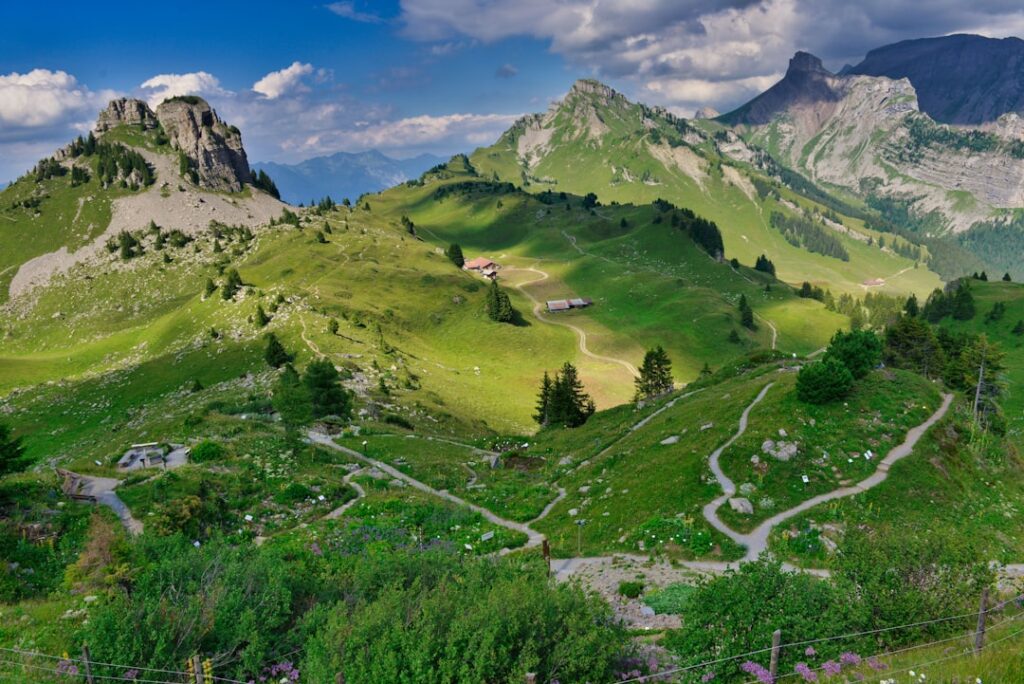
2. Schynige Platte Alpine Garden — intimate alpine flora and wild panoramas
Address: Schynige Platte Bahn, Schynige Platte, 3800 Wilderswil, Switzerland.
Opening hours: Scenic cogwheel train runs seasonally April–October; garden open 08:30–17:30 in high season.
Price: Garden access included with the train ticket: return around €38.00 (adult fare). Garden-only entry €8.00 when available.
Reached by a picturesque rack railway from Wilderswil, the Schynige Platte Alpine Garden is a showcase for high-mountain plants set against a backdrop of crisp air and wide-open skies. The focus here is conservation and observation: detailed botanical labels, little boardwalks and secluded benches invite slow appreciation. The panorama includes the Eiger, Mönch and Jungfrau, but the real draw is the botanical variety — gentians, saxifrages and buttercups — thriving in a protected habitat.
Local tips: bring binoculars to watch pollinators and alpine birds, and go early for soft light that’s great for photos. The mountain restaurant serves simple dishes often made with local ingredients.
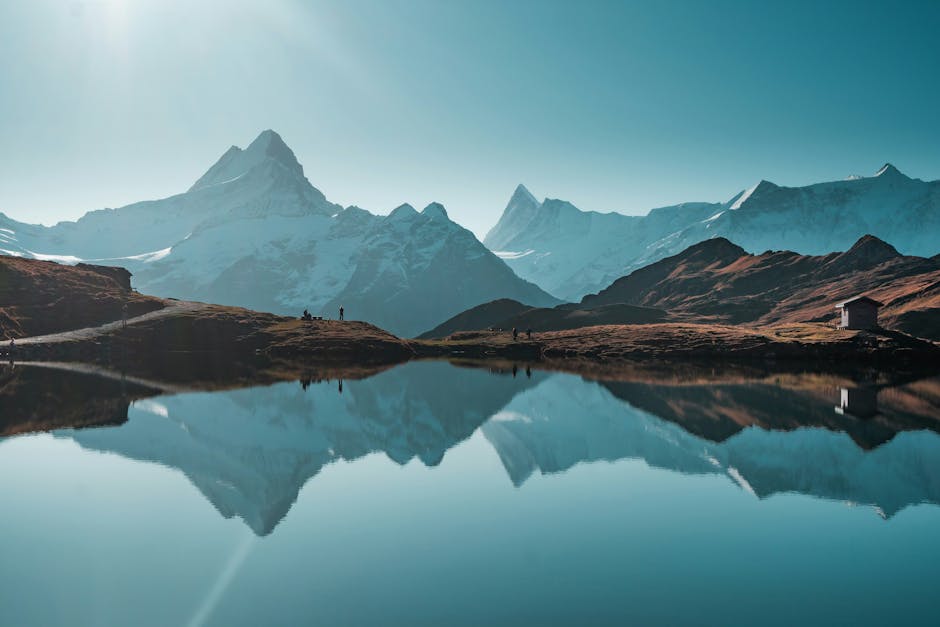
3. Faulhorn to Bachalpsee trail — a secret sunrise hike
Starting point: Firstbahn station, 3806 Grindelwald, Switzerland (access from Interlaken by train + bus).
Opening hours: Firstbahn cable car 08:00–17:00 (seasonal hours).
Price: First cable car return ~ €22.00; trail is free. Overnight in the Faulhorn mountain hostel (if available) about €55–85 for dorm/private.
The ridge trail between Faulhorn and Bachalpsee is quieter than the classic route to the Jungfraujoch, especially in the early hours. The hike serves up contrasting scenes: arid ridgelines, alpine meadows and mirror-like lakes. Bachalpsee, a remarkable reflection lake at 2,265 m, often mirrors a crystal sky at sunrise — a spectacle beloved by early photographers. The path requires good fitness but is non-technical and accessible to experienced hikers.
Local tips: set off before dawn and bring a headlamp, water and warm clothing. Check the weather and tell someone your plan. Stick to the trail to protect the fragile alpine plants.
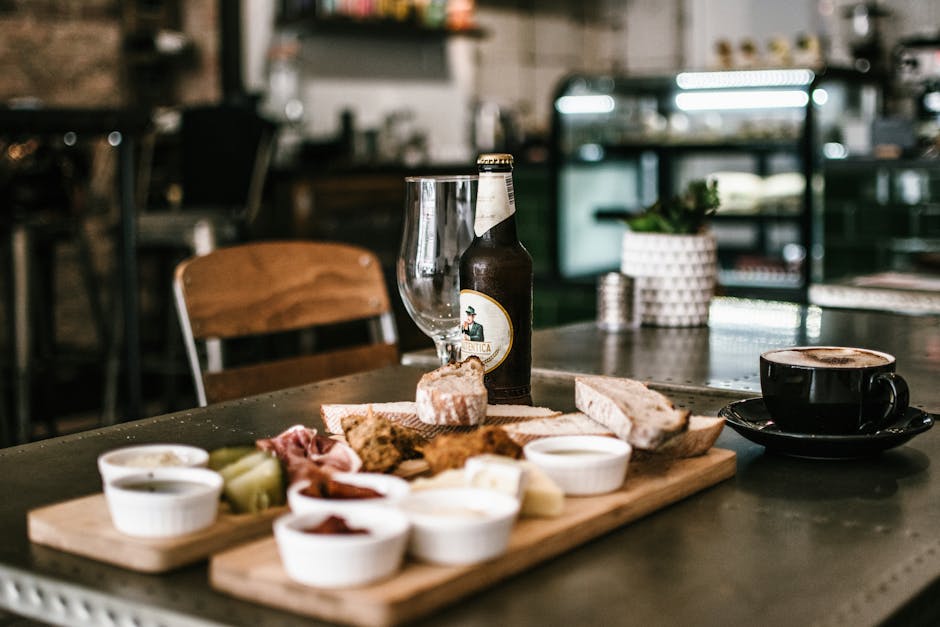
4. Café Bini & Lädchen — a cultural hideaway and gourmet grocer
Address: Höheweg 67, 3800 Interlaken, Switzerland.
Opening hours: Mon–Sat 09:00–18:00, Sun 10:00–16:00.
Price: Coffee and pastries from €3.50; cheese boards €9.50–16.00.
At first glance Café Bini & Lädchen feels like a neighborhood living room, but it’s a place where poetry meets local gastronomy. The owner, passionate about regional crafts, curates spices, homemade jams and alpine cheeses. The vibe is warm: books for community lending, small exhibits from local artists and a sheltered terrace that’s perfect for people-watching the pedestrian street without being bothered.
Local tips: try the “raclette of the day” served in small portions alongside a glass of Swiss white wine. Ask the staff for daily recommendations — they often know local producers and cultural events happening in Interlaken.
5. Kambly Knife Workshop — craft and tradition
Address: Kirchenstrasse 12, 3800 Interlaken, Switzerland. (Workshop and shop)
Opening hours: Shop open Mon–Sat 10:00–17:30; workshops by reservation, 2–3 hours.
Price: Intro workshop €65 per person (materials and guidance included); handmade knives from €45.
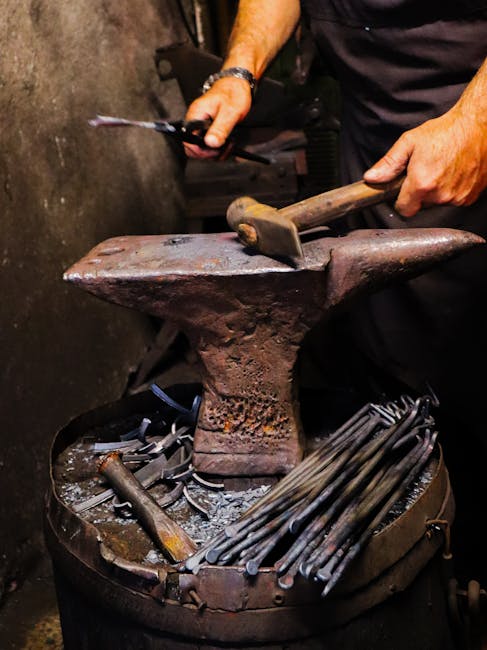
For those who like to get hands-on, the Kambly workshop (a fictional workshop inspired by local crafts traditions) offers an introduction to making knives and mountain tools. Under the guidance of a seasoned smith, you’ll learn quenching, polishing and assembly techniques, and leave with a small personalized blade. The experience is immersive and highlights skills passed down through generations.
Local tips: book your workshop at least a week in advance, especially in high season. The workshop is suitable for adults and supervised teens; closed-toe shoes are mandatory.
6. Alternative Staubbach Island — riverside stroll and mural art
Address: Aareuferweg, Inseli Park, 3800 Interlaken, Switzerland.
Opening hours: Public park, accessible 24/7.
Price: Free.
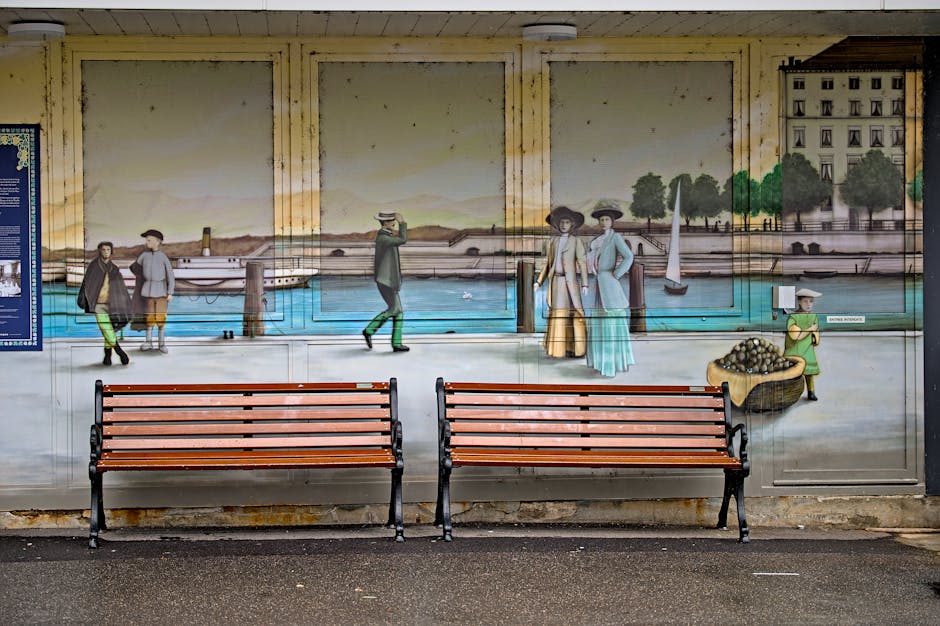
Set away from the busier Höhematte, Inseli Park on the Aare is a green islet often used by locals for picnics or a quiet read. The banks display seasonal murals by local artists and small shaded paths run alongside the river. The spot is great for spotting urban wildlife — ducks, little fish and sometimes herons — and for enjoying a different perspective on the town.
Local tips: bring a market-bought picnic and settle in at sunset. Respect nesting areas and take your rubbish with you.
7. Höhematte Museum — military history and social panorama
Address: Höheweg 41, 3800 Interlaken, Switzerland.
Opening hours: Tue–Sun 10:00–17:00; closed Mondays.
Price: Entry €7.00 adults; €4.00 reduced (students/seniors); free under 16.
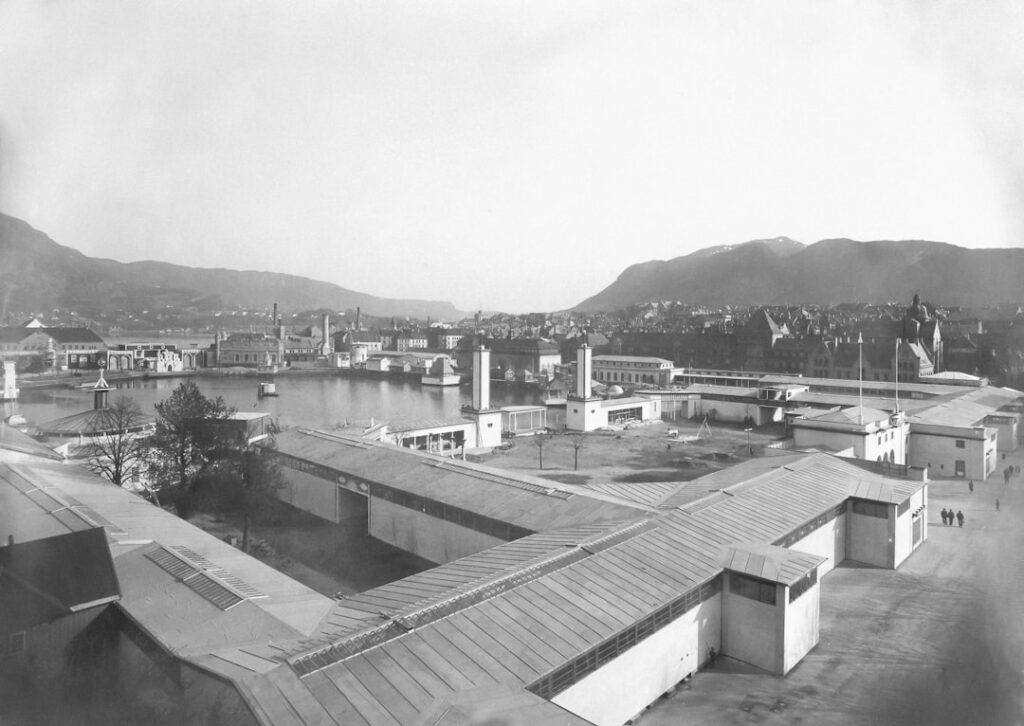
The Höhematte Museum, small and often overlooked by visitors in a hurry, tells Interlaken’s military and social story: the evolution of barracks, local festivals and the impact of tourism on daily life. Exhibits include period photographs, uniforms and personal accounts. The accessible rooftop offers an unusual view over the valley and Jungfrau station while being less crowded than the main viewpoints.
Local tips: pair the visit with a coffee on the neighboring terrace and ask the guide for anecdotes about traditional Interlaken festivals — many of which are scarcely documented online.
8. BioBerg Demonstration Farm — sustainable farming and tastings
Address: Oberdorfstrasse 88, 3803 Beatenberg, Switzerland.
Opening hours: Guided visits by reservation, usually 10:00–12:00 or 14:00–16:00; shop open Wed–Sun 09:00–17:00.
Price: Guided tour €12.00 adults; cheese tasting €6.50.
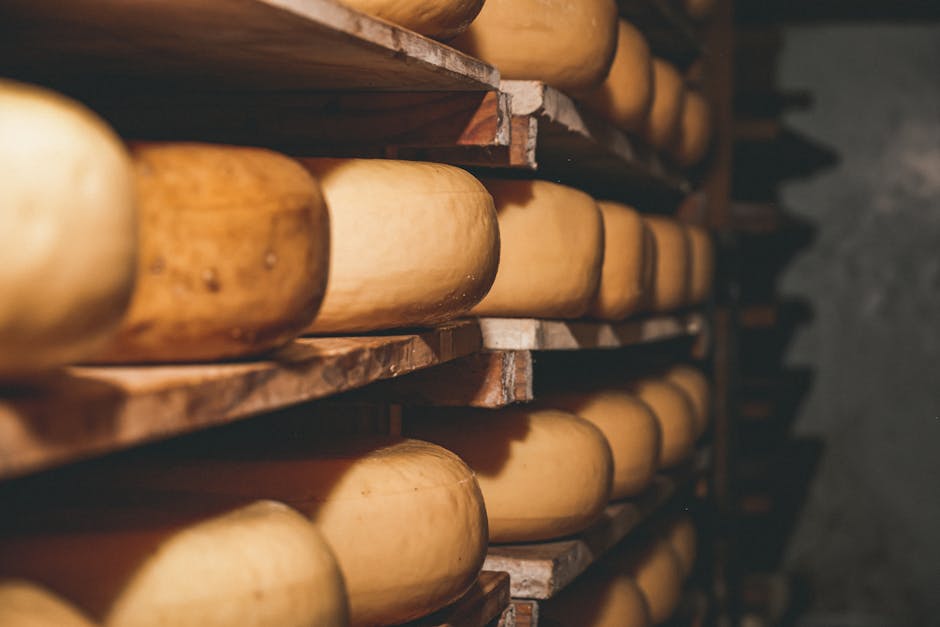
BioBerg is an organic mountain farm offering educational visits focused on dairy production, pasture management and biodiversity. Visitors can watch milking, take part in cheese-making workshops and buy farm products — butter, yogurt and aged cheeses — straight from the farm shop. The experience is ideal for families and anyone curious about hands-on ecology.
Local tips: reserve the cheese tasting in advance — it’s limited to small groups so you can fully appreciate different aging techniques. Wear sturdy shoes for moving around the farm.
9. Bödeli Viewpoint — a secret lookout over the lakes
Address: Bödeli Path, 3800 Matten bei Interlaken, Switzerland.
Opening hours: Trail accessible year-round; best April–October.
Price: Free.
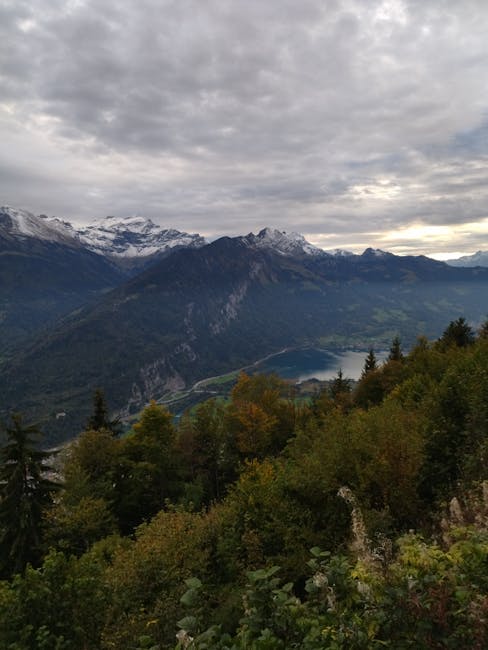
The Bödeli viewpoint is a little-known promontory not often shown on tourist maps, located between Interlaken East and Matten. The short but sometimes steep trail leads to a platform where you can take in Lake Thun, Lake Brienz and the Aare’s sweeping loop at once. The spot is exceptional for sunsets and wide-angle photography without many people in frame.
Local tips: avoid harsh mid-day light for photos; aim for golden hour. Bring a small tripod if you plan to shoot in low light.
10. Interlaken Heritage Library — archives and studious calm
Address: Rathausgasse 6, 3800 Interlaken, Switzerland.
Opening hours: Tue–Fri 10:00–18:00; Sat 10:00–14:00; closed Sun & Mon.
Price: Free access; photocopies and reproductions charged (from €0.50).
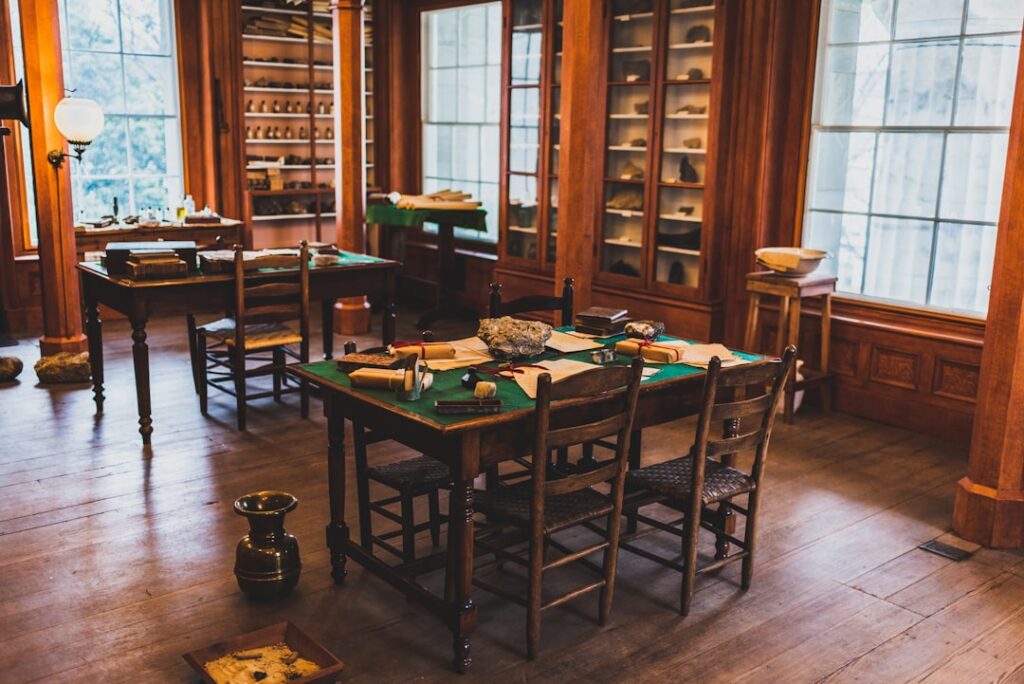
The heritage library holds rare documents about Interlaken’s past, old maps and 19th-century travel accounts. It’s a perfect place to dive into local memory, prepare a historical walk or simply enjoy a studious quiet hour. Collections include letters, vintage guidebooks and photographs that trace the town’s transformation over decades.
Local tips: make an appointment if you need to consult specific archival material; staff speak French and English and can point you to lesser-known sources to enrich your visit.
Conclusion — slow travel to truly know Interlaken
Interlaken off the beaten path is an invitation to slow travel and attentive observation. The places featured here offer meaningful alternatives to popular attractions: they tell local stories, preserve craftsmanship and allow you to experience calm, memorable moments away from the crowds. By favoring these lesser-known sites you also help spread tourist flows more sustainably, protecting fragile ecosystems and cultural heritage. Every visit requires respect: stay on marked paths, take your rubbish with you, honor opening hours and follow rules at farms and workshops.
Before you set off, a few practical tips: always check seasonal train and cable car timetables, book workshops and guided visits in advance, and adapt your gear to mountain weather (warm layers, hiking boots, waterproof). Prefer electronic payments when possible but carry some euros in cash — some small businesses and artisans still prefer cash.
During your stay, don’t be shy about talking with locals: they hold the best tips and secret routes that don’t appear in guidebooks. By exploring these 10 hidden spots — caves, alpine gardens, workshops, farms and viewpoints — you’ll gather different kinds of memories, shaped by authenticity and slowness. Interlaken has far more to offer than its postcards suggest: its richness reveals itself slowly, by listening, tasting and taking time to look. Safe travels and happy discoveries!